The ground is full of iron here in the Ecuadorian highlands which doesn’t make it the most fertile land. (I am wondering if this is cinder from our cinder volacano? )
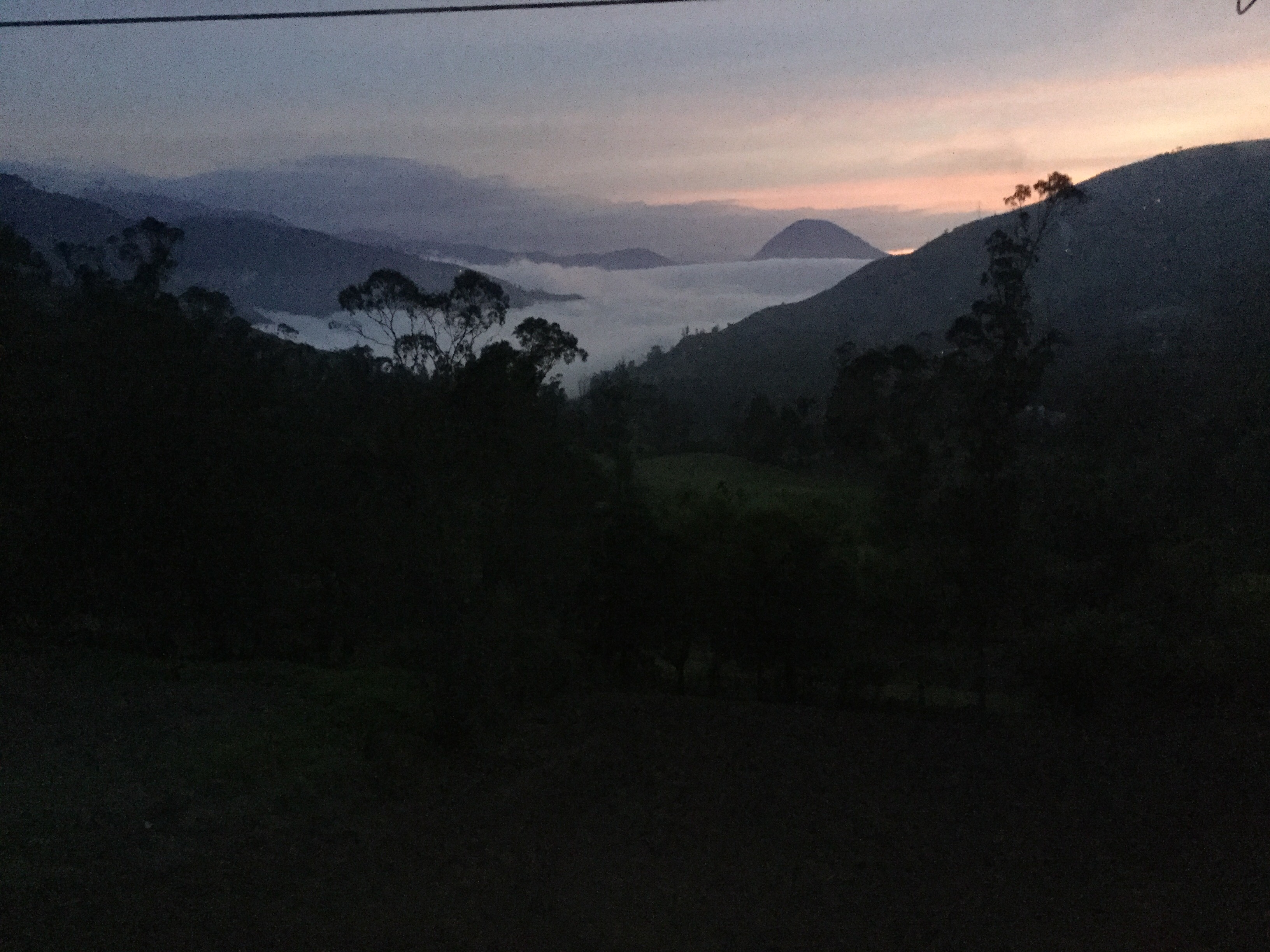
Not so fertile ground produces vast amounts of vegetation not from the ground but from the clouds. Because of the high altitude and drop in temperatures, clouds form which brings humidity to the plants and creates a rich and diverse ecosystem.
In 1999, Ecuador registered 91 distinct eco systems. And of the possible 27 different marine ecosystems, Ecuador has 21.
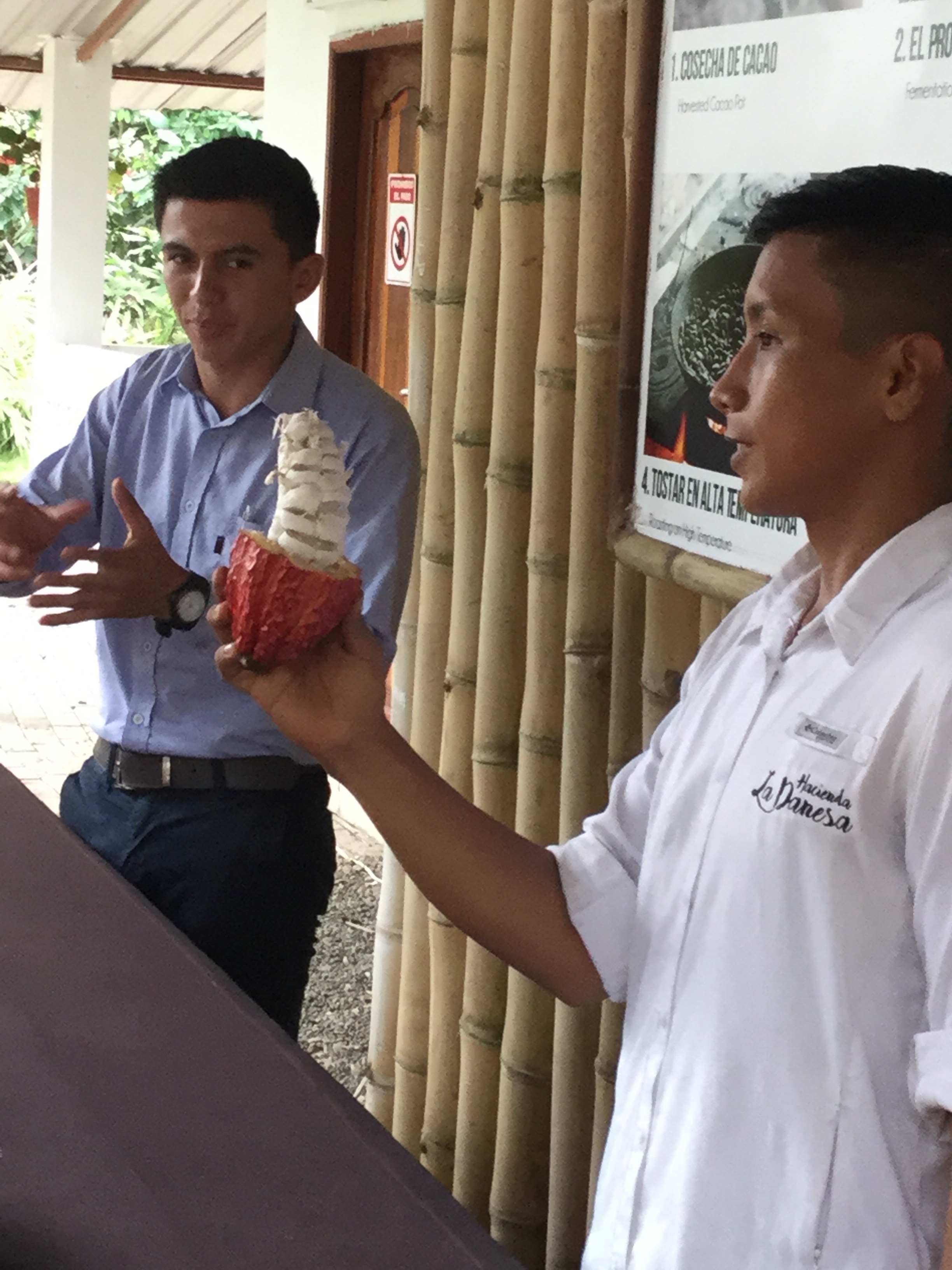
Cacao is grown all over this southern region of Ecuador. It was originally cultivated in Guayaquil and spread out from there. In the 1950’s a fungus more or less wiped out the Cacao variety they grew and they moved to produce two other varieties predominantly, CCN 51 and Aroma Cacao which were resistant to the fungus . CCN 51 is genetically modified and has a higher yield and Aroma is more pure, higher quality and smaller yield. The Cacao pod is harvested when it is red, it is split in two to expose a milky white membrane that covers the seed. This pulp tastes citrusy and sweet. The seed though is what makes chocolate. The seeds and pulp are first fermented by placing the mixture in containers covered with banana leaves. They sit for a bit when the pulp is dissolved into a liquor and the seeds fully exposed. Then comes drying which is done in the sun.
Drying, flipping, drying, flipping.
Then roasting to make it easier to remove the husk.
Then the grinding.
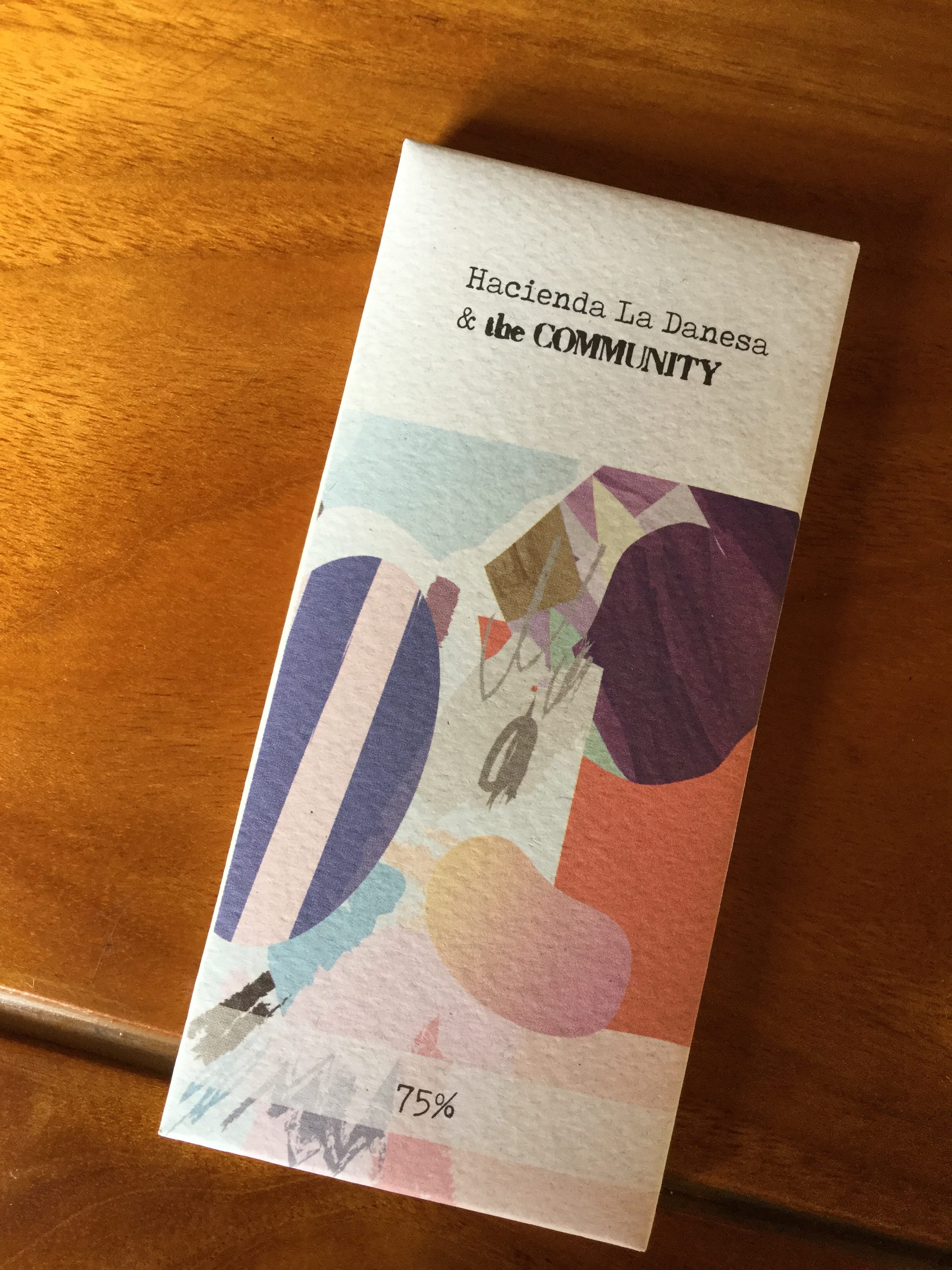
Simple and pure. We got to taste the freshly roasted and ground cacao and found it not to be bitter at all, it was delicious I could have eaten the whole pot.
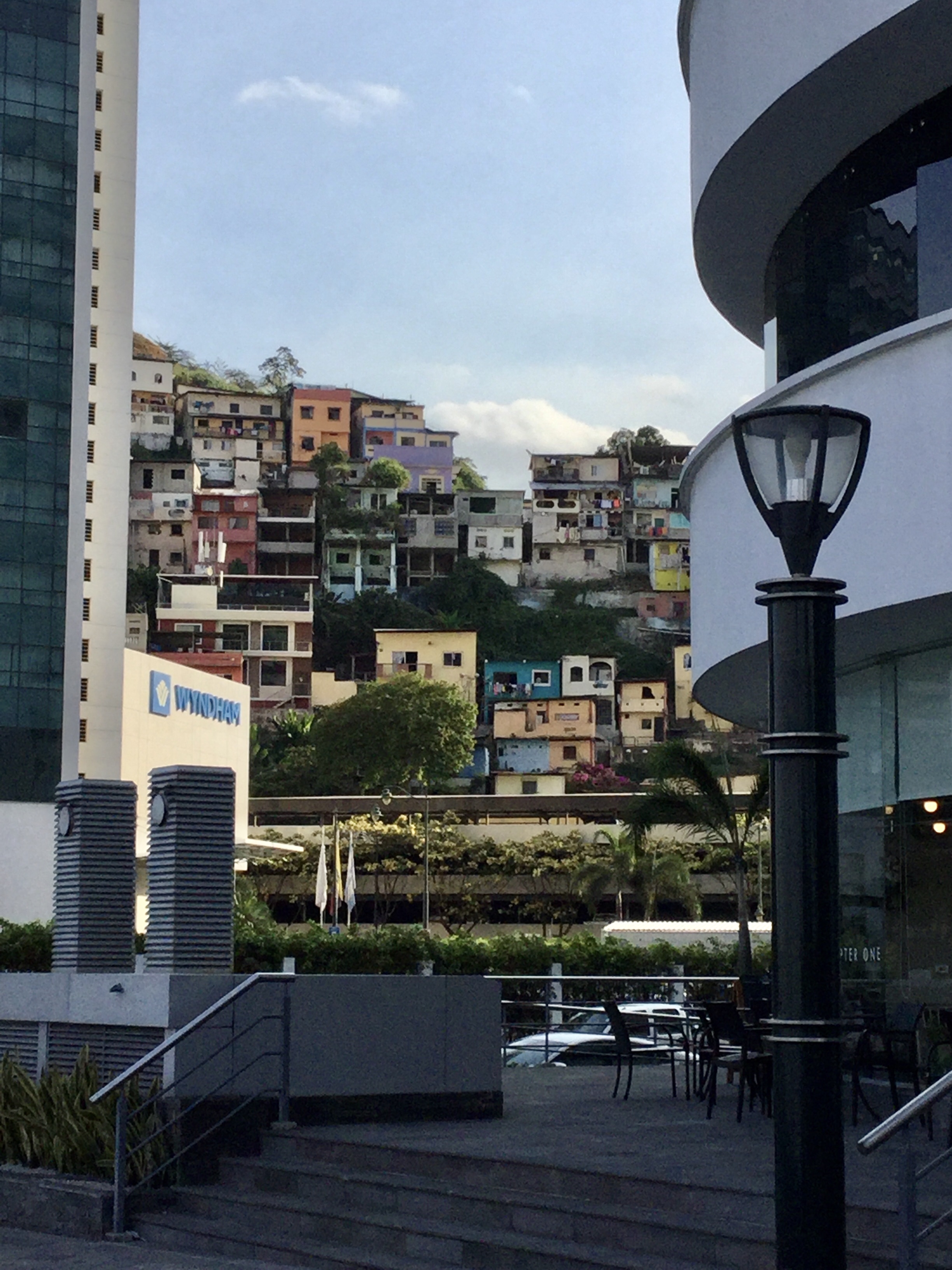
Guayaquil is a coastal town, larger than Quito with about 3million people. It is the commercial centre where Quito is the political centre. We flew from here to the Galapagos and now back again to catch the train back to Quito.
It is a city that surprised me. I had thought that it would be closer to Colon in Panama and found it to be a beautiful thriving mix of old and new Ecuador. We walked along a beautiful water front promenade and up and back some 400 steps of a pedestrian area. Lots of Artist shops and cobblestones. We ducked into the perfect hole-in-wall for a bit of lunch. And got lost and found a beautiful mirador.
It also has lots of traffic and spaghetti roadways, it was perfect for an afternoon stroll.
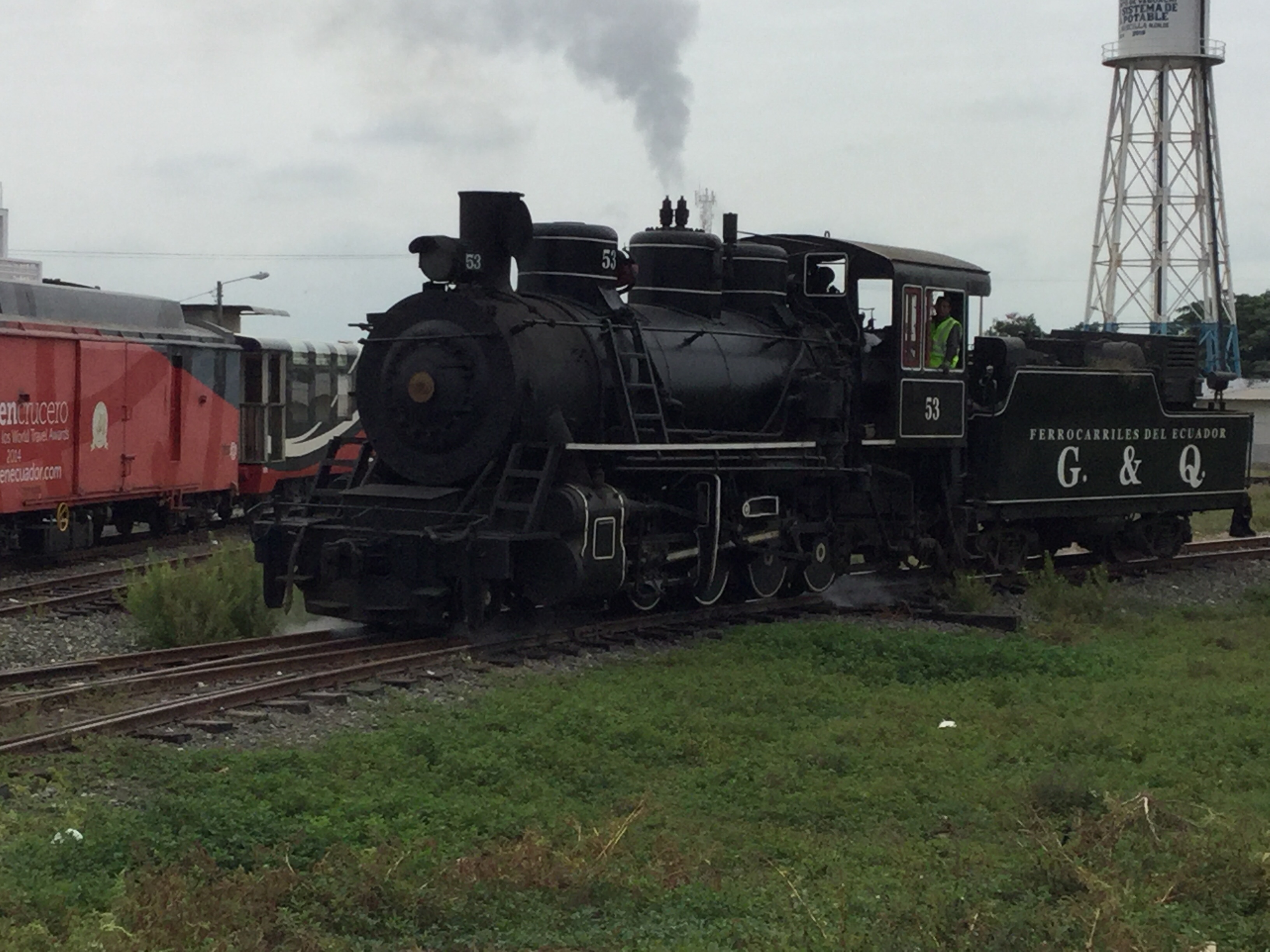
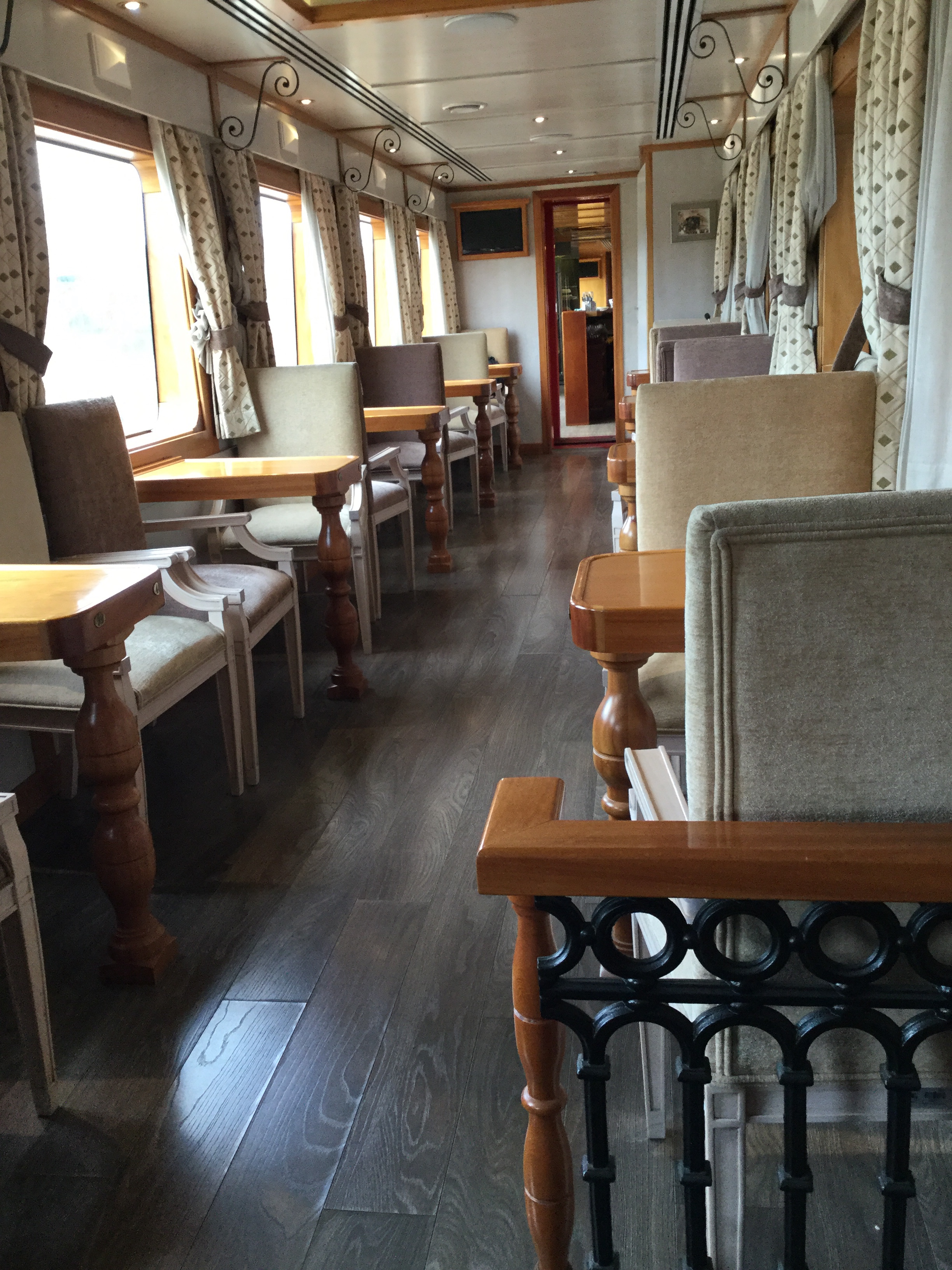
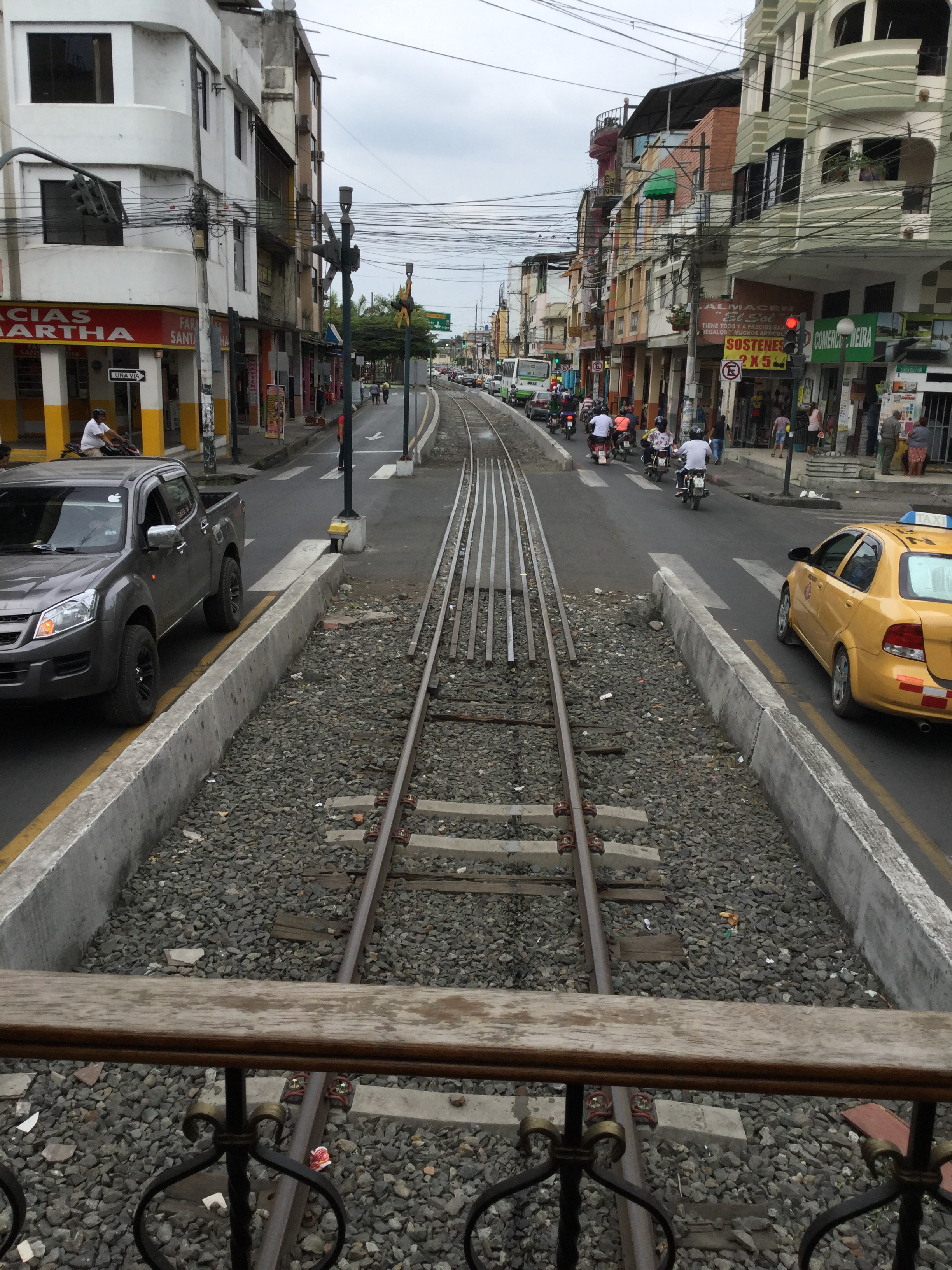
So we took the opportunity to take the train from Guayaquil to Quito. It is a four day trip stopping and being touristy on a wonderful train through the country. The train utilizes old and new engines and has refurbished cars. At the back is a caboose where we can stand and wave at those who wave at us. John was thinking of channeling Roosevelt and rally people from the podium, we will look up the speech. The train travels through the middle of towns and beside roadways. From the coast, through farmland, highlands to the Andes and helps us understand and appreciate the vastness and varied country of Ecuador and its people. When the train can’t make the trip, a bus steps in to take us up to the highlands. it is an amazing winding road.
We are up where the clouds live, and glad we are not driving.
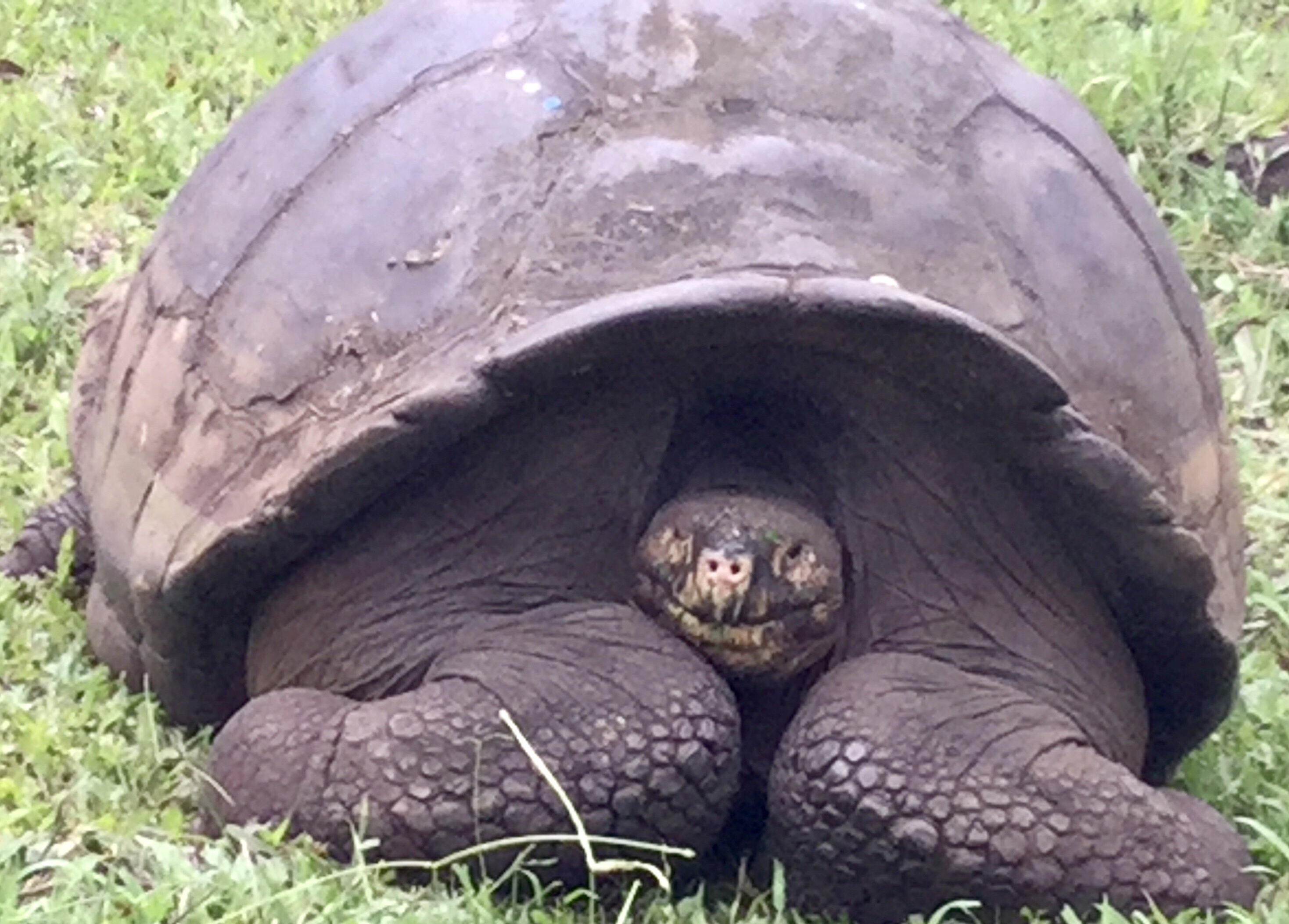
Creeping out of prehistoric times are these amazing living fossils. Mostly they inhabit the Santa Cruz Island where there is more lush vegetation. Here they wonder around the island as they wish. Among the cow fields and within the farms that grow corn, plantain or coffee. It is rather amusing to spot one of the twenty thousand of them as you drive by in the bus. Oops there’s one and there’s one, there’s a cluster. Some are more than 100 years old.
Disclaimer: this maybe gossip and not 100% correct.
Charles Darwin came from a wealthy family in the early 1800’s. he was studying theology in university and collected bird specimens as a hobby. Religion may not have been his first choice, he enjoyed his collecting and enjoyed the pubs of London which were full of whalers coming back with magical stories from far away lands. In the 1830’s, England was trying to figure out new trade routes and to find these out it would be a very long multiple year journey. Captains suffered from the stresses of the job and lacked intellectual stimulation while out and about. An up-tick of captain suicides was prevalent.
Charles, tired of school and fascinated by the natural world, was commissioned to be a companion of a captain on a ship. One of his friends gave him a book called the Principles of Geology as a gift. This was not a church/state sanctioned book, radical at the time. I think the book was the kernel that perhaps there was a different way to perceive the world rather than the religious lens.
On the first voyage, he stopped at a site in Brazil recommended from the Whaler Pub tales. Here he found there really was a skeleton of an ancient sloth. The seed of the theory is starting to germinate.
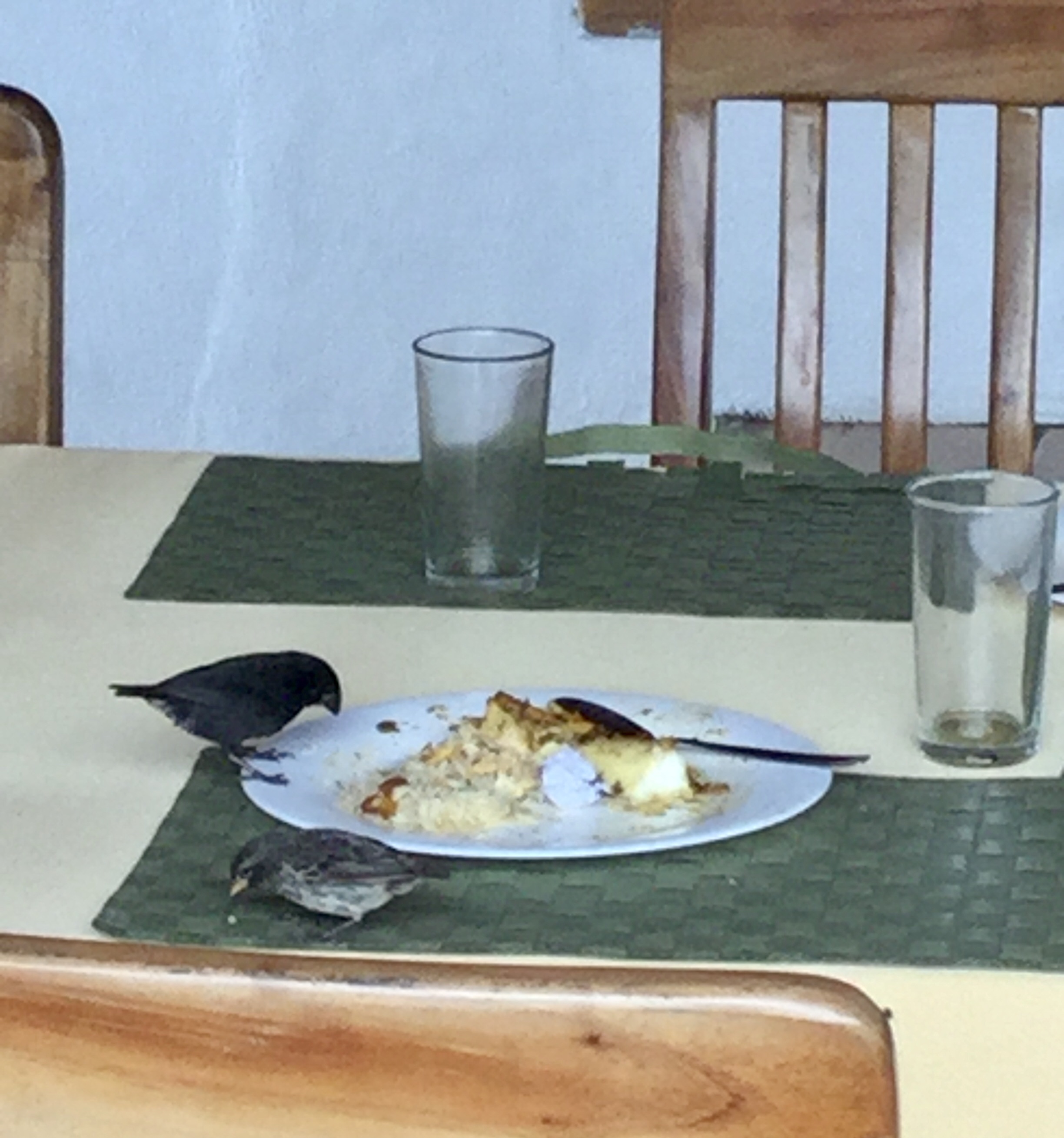
Ecuador at the time utilized the Galapagos as a convict penal colony. The convicts told him of varying species of tortoise depending on the island. Darwin was thinking the same may be true for Finches and much easier to ship back to England. He spent 19 days collecting species of Finches. The collection was sent back to the University of England ahead of his 2 year journey back. The University started to categorize the birds. Found the species where similar yet different and no two birds were exactly the same.
When Darwin came back, he created a tree of life relating the characteristics between birds. What was the same, what was different.
Out of all of this came his theory of Origins of the Species and the Theory of Evolution.
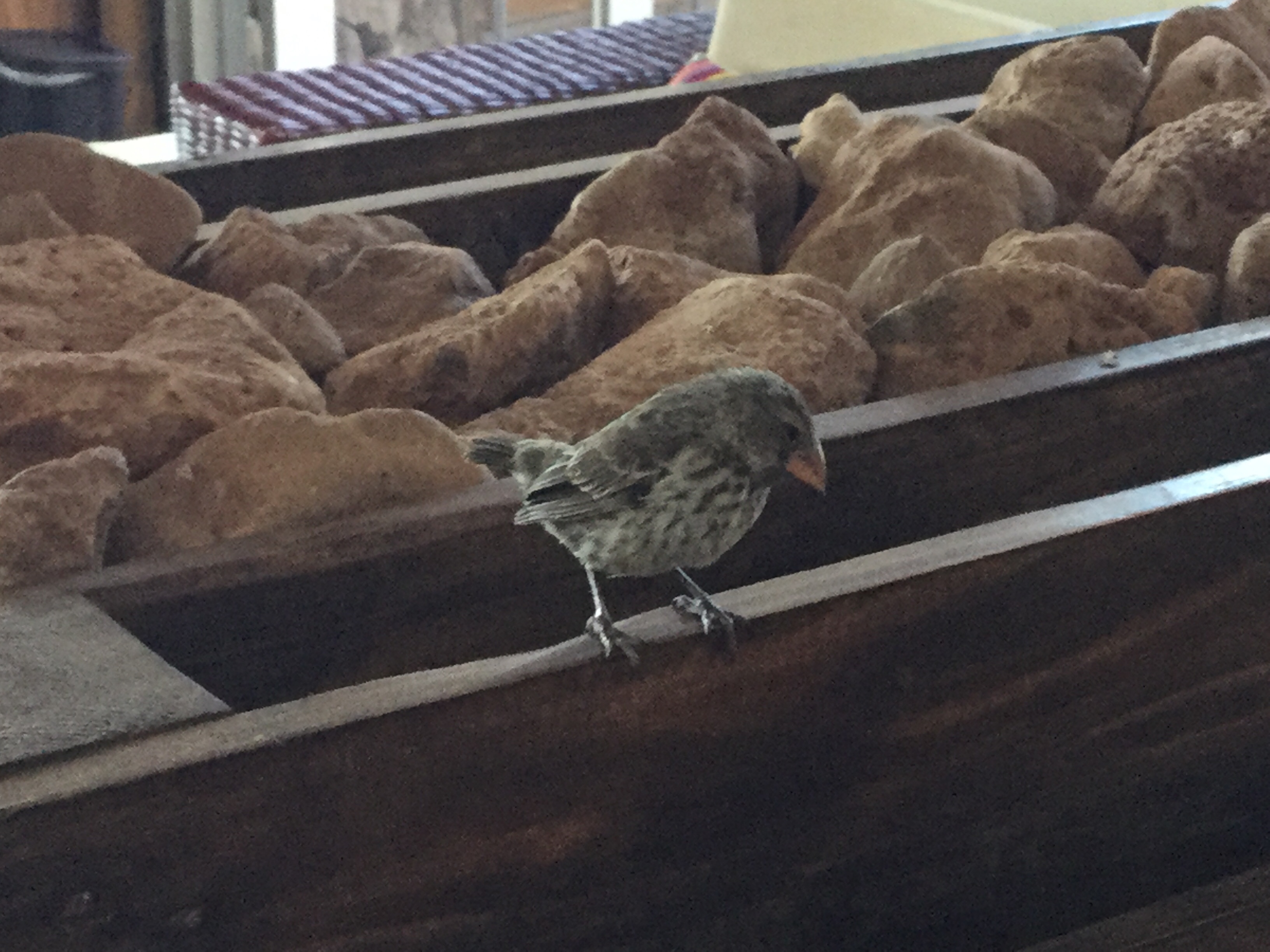
Darwin Finches having breakfastDarwin’s finch waiting for her flight in the VIP lounge
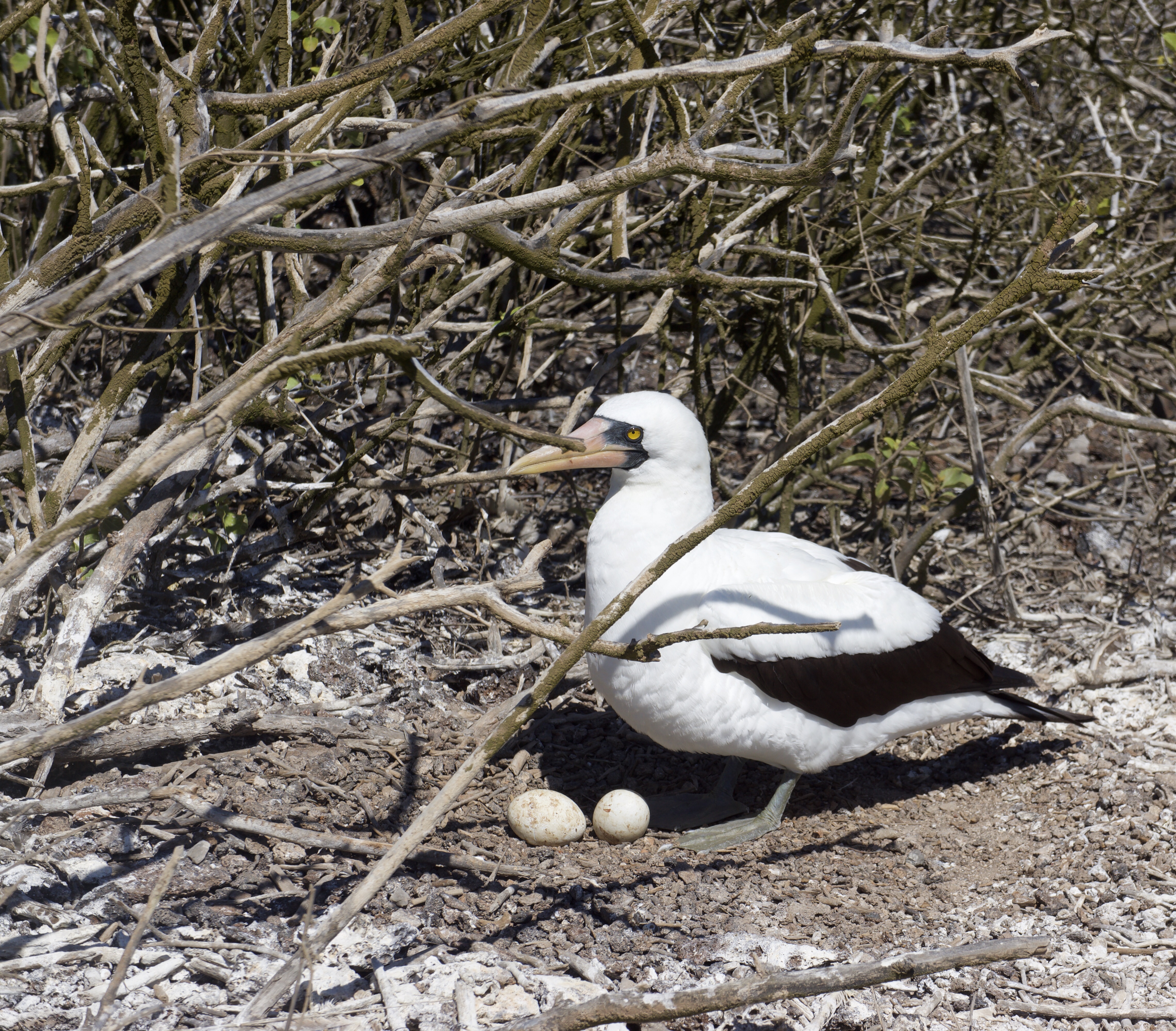
Actually a species of gannet, though smaller. Here there are three types of boobies. Blue footed, Red footed and Nasca Boobie.
The Blue Footed lays three eggs in their nest. They hunt in the ocean and bring back food to feed their young. Their young has a one in ten chance of survival. They dive deep into the water to obtain fish and frigate birds will attack them to get them to give up their catch. In mating season they like to show off their pretty feet to their potential love interest.
The Red Footed Boobie, has only one chick. And prefer flying fish to deep sea diving.
The Nasca Boobie, lays two eggs and when they hatch after 38 days. There is a choice to be made which one survives. Siblingacide is what they call it. Only one makes it and the remaining chick is fed and pampered for two months until ready to be on its own.
Genovesa Island is located just north of the equator and is the furthest northern point of the Galapagos.
This island is similar in age to Bartolome, about a million years old. Still this makes it a young volcanic island. It is remote from the other islands which changed the behaviour of animals.
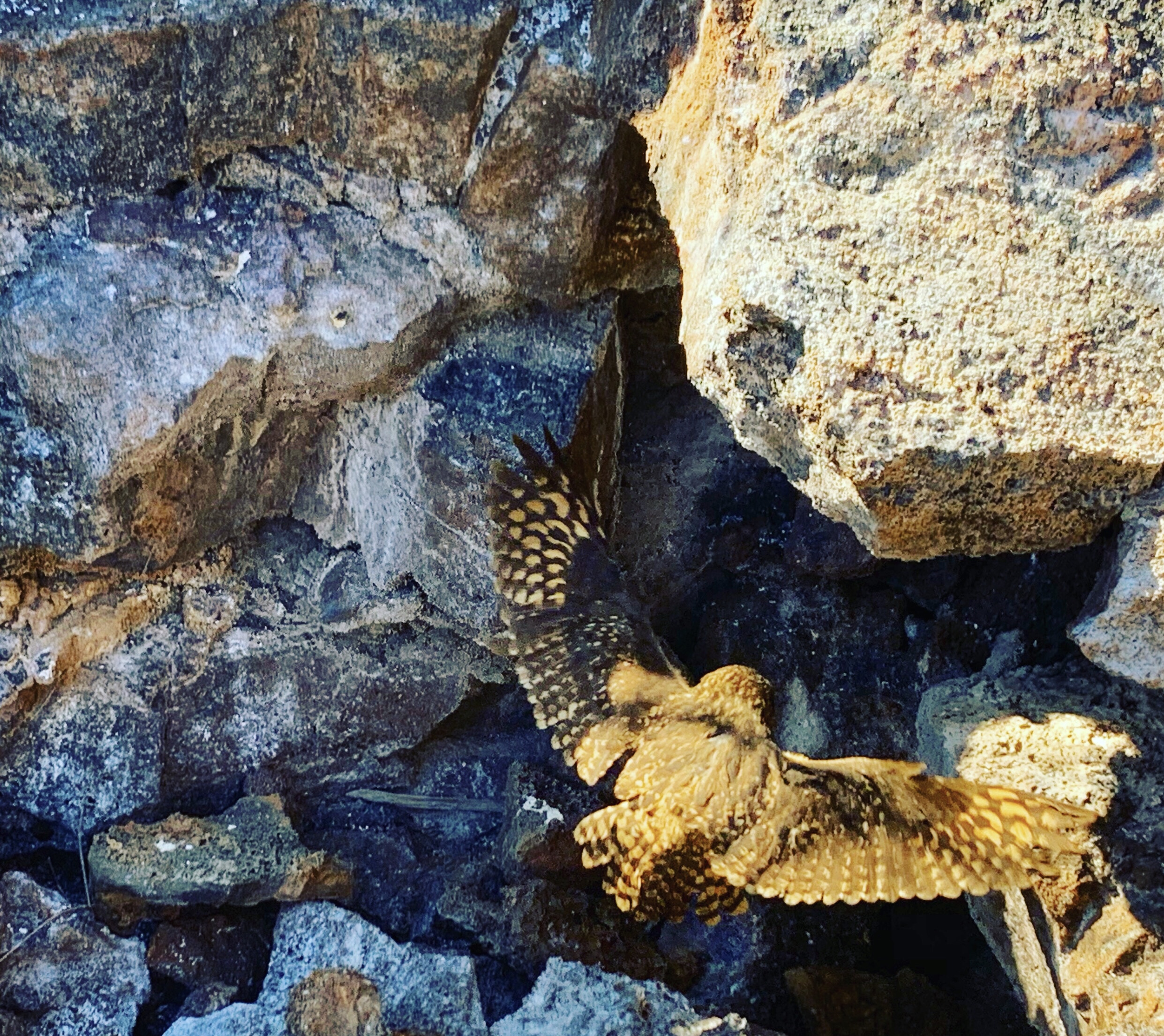
One such animal is the owl. Generally nocturnal, here the owl hunts during the day. This is because there aren’t other hunters during the day, so they have free reign on the smaller prey.
We were really thrilled to see the owl in a cavern as we stepped off the boat. And then after our amusement, we were distracted by a very small marine iguana. Zing the iguana dipped into the cavern. Breakfast in bed for the owl.
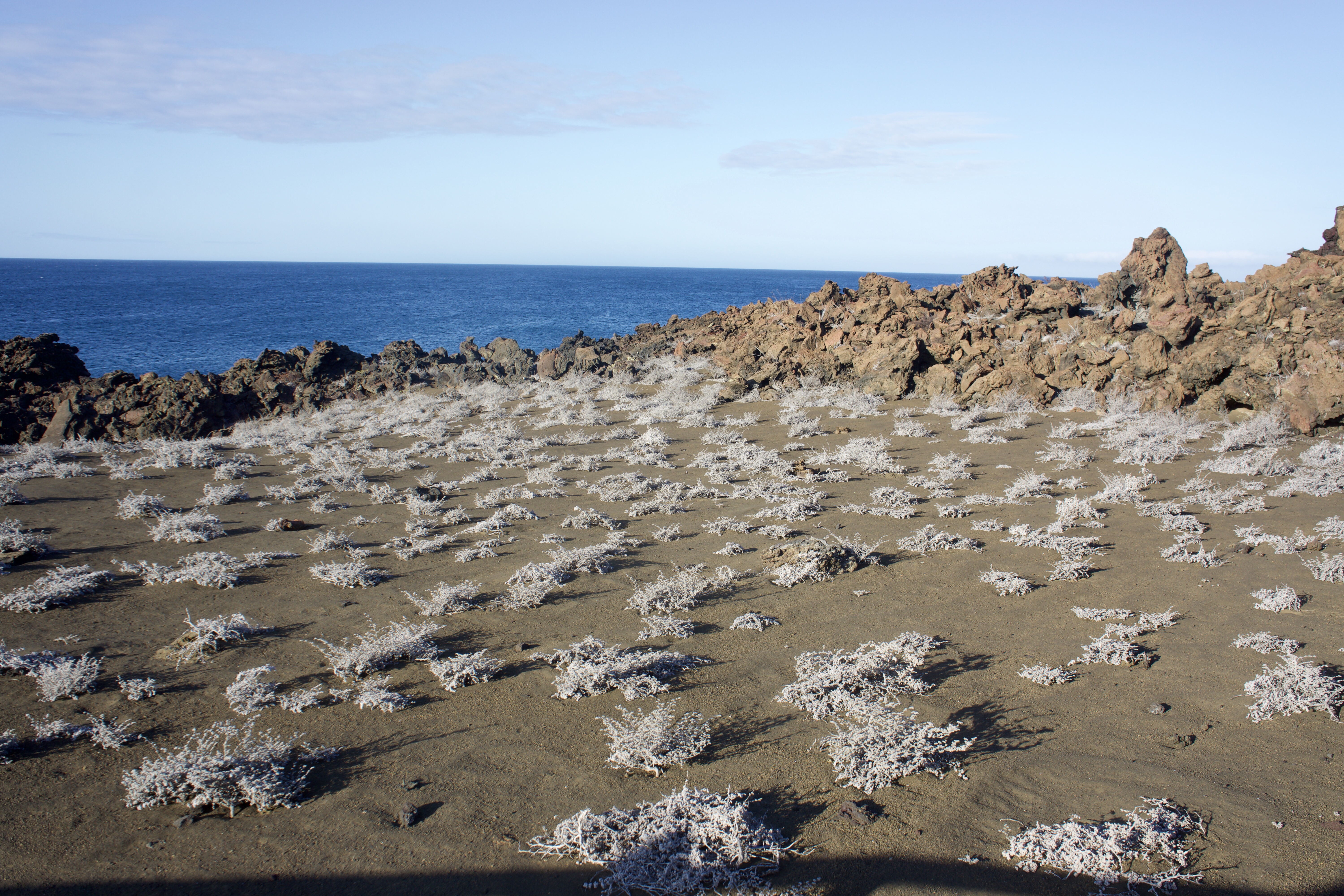
Bartolome is a more recent volcano and is a lava and volcano ash type. On the surface there are very small scrubby plants called tiquilia darwinii and lava cactus. The tiquilla plant is the first to establish themselves in the volcanic ash. So thinking that Rabida Island yesterday was desolate this is even more so.
Here we had incredible views of the other islands and found a penguin, actually five. The one below was the model of the other four. It is a Galápagos penguin, a smaller species than the ones in the Antarctic and the one furthest north. There was a shark milling about in the water below, we were anticipating a National Geographic moment, but alas not meant to be.






 The world around me