A stop along the way was to be entertained by the cowboys of Ecuador. It is a working farm with more than 90 horses, milking cows and llamas. They offer 3, 4 and 7 day horse back riding adventures as well.
I asked the guide about the milking operation and it sounds as sophisticated as what we have in Canada. Completely computer controlled and monitored.
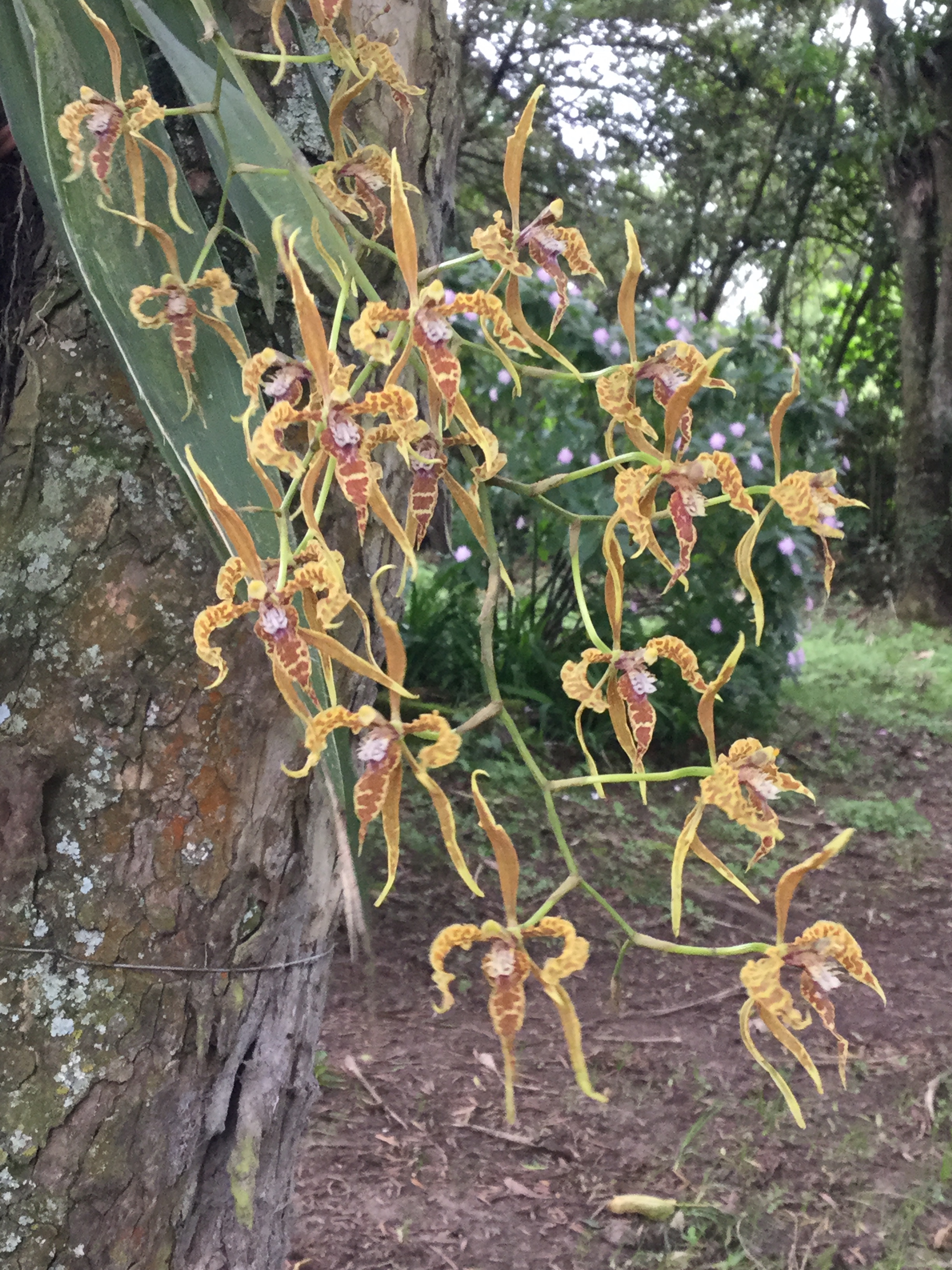
Cows and horses The game was for the cowboy to skewer the ring with a stick while on horseback. There was also lasso a cow. Beautiful orchids
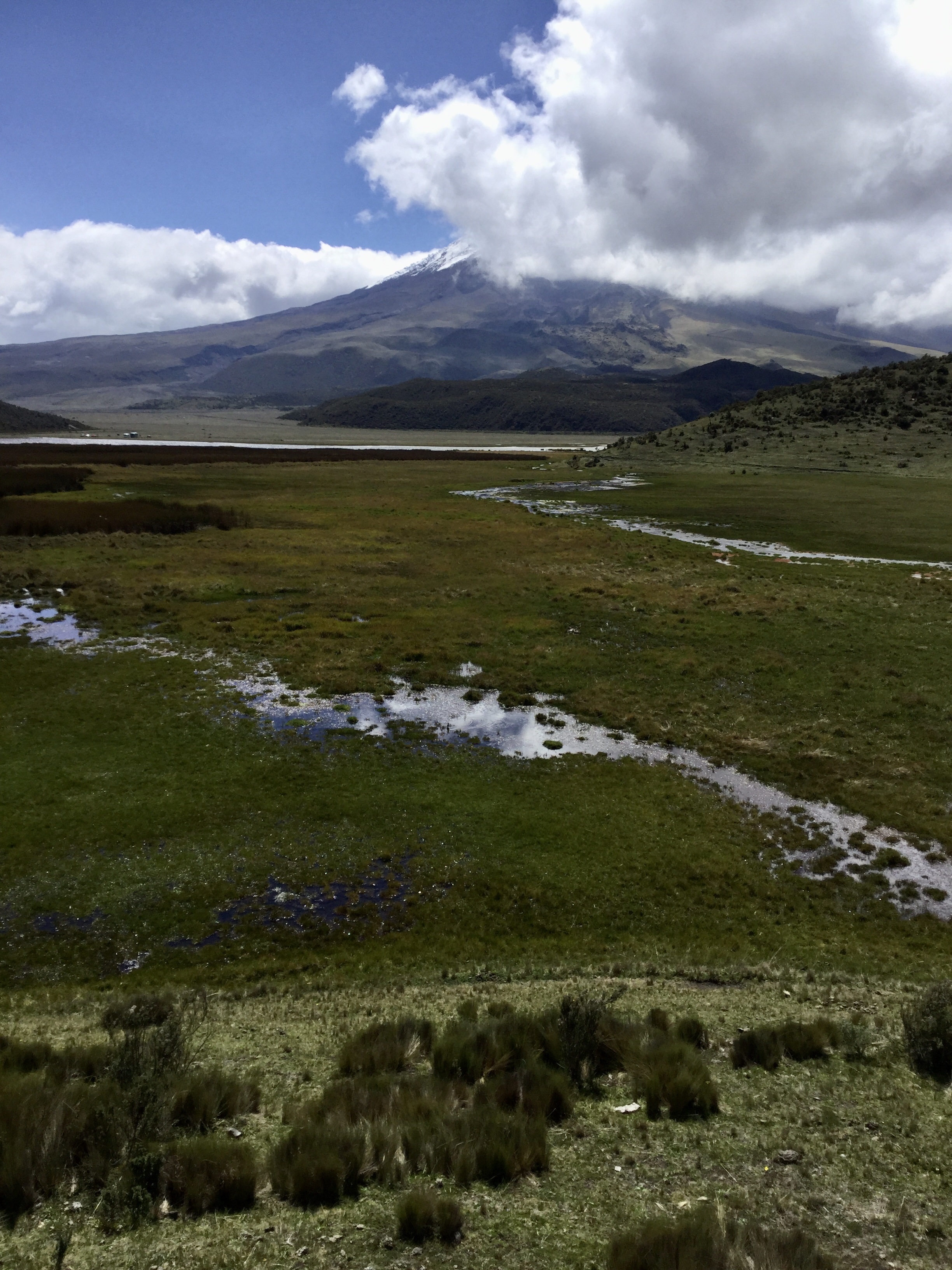
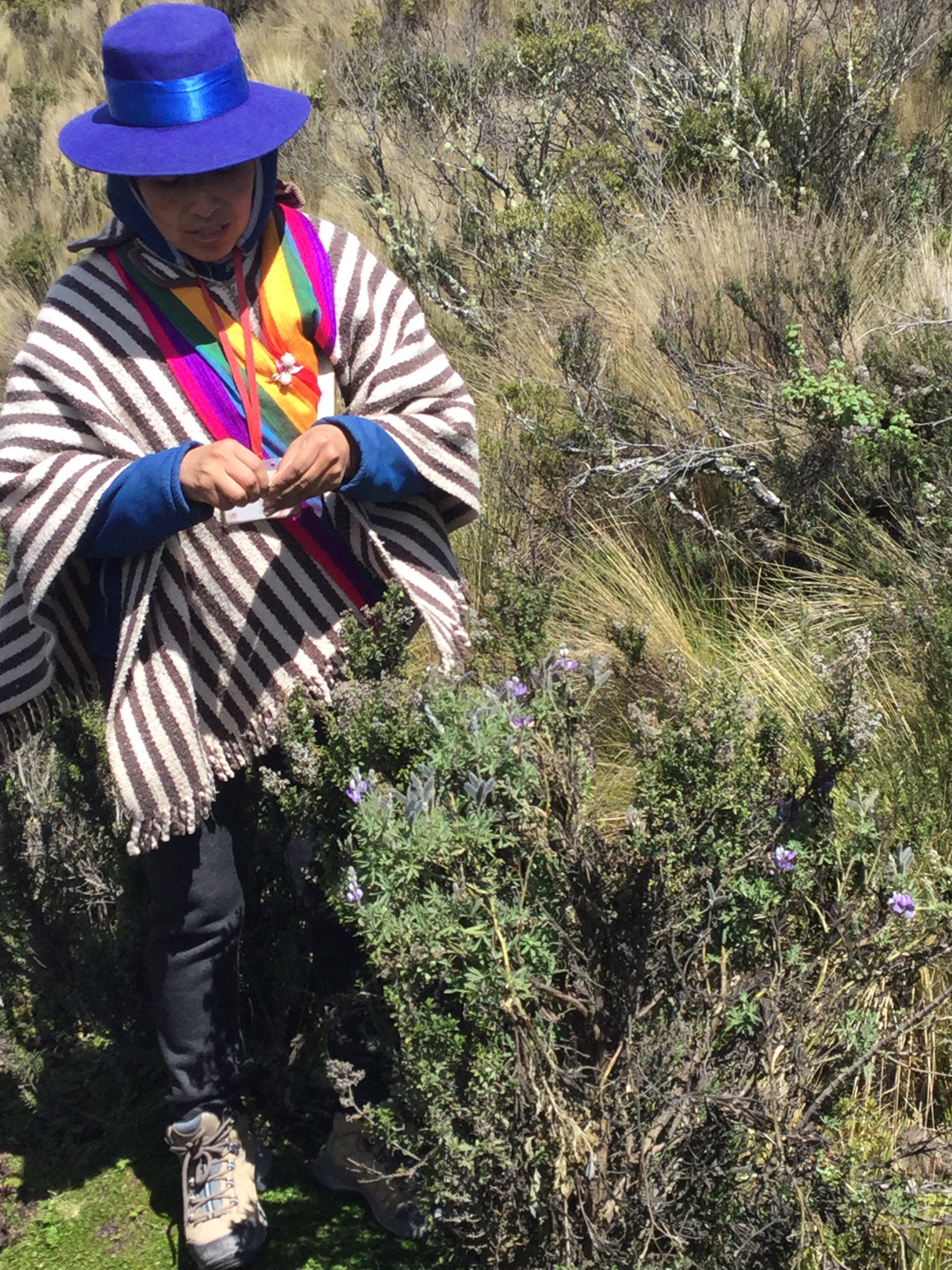
There is an amazing lagoon high in the mountain range where you can view the Cotopaxi Volcano. Just coming out of the dry season it is a giant plain where wild horses roam and indigenous communities can gather medicinal plants. Rumours of condors living here, but none swooped in.
Cotopaxi means Neck of the Moon in Quechuan and is the second highest volcano at 5000 meters.
Paulina, a local guide took us up to see her volcano. The place was breathtaking and peaceful.
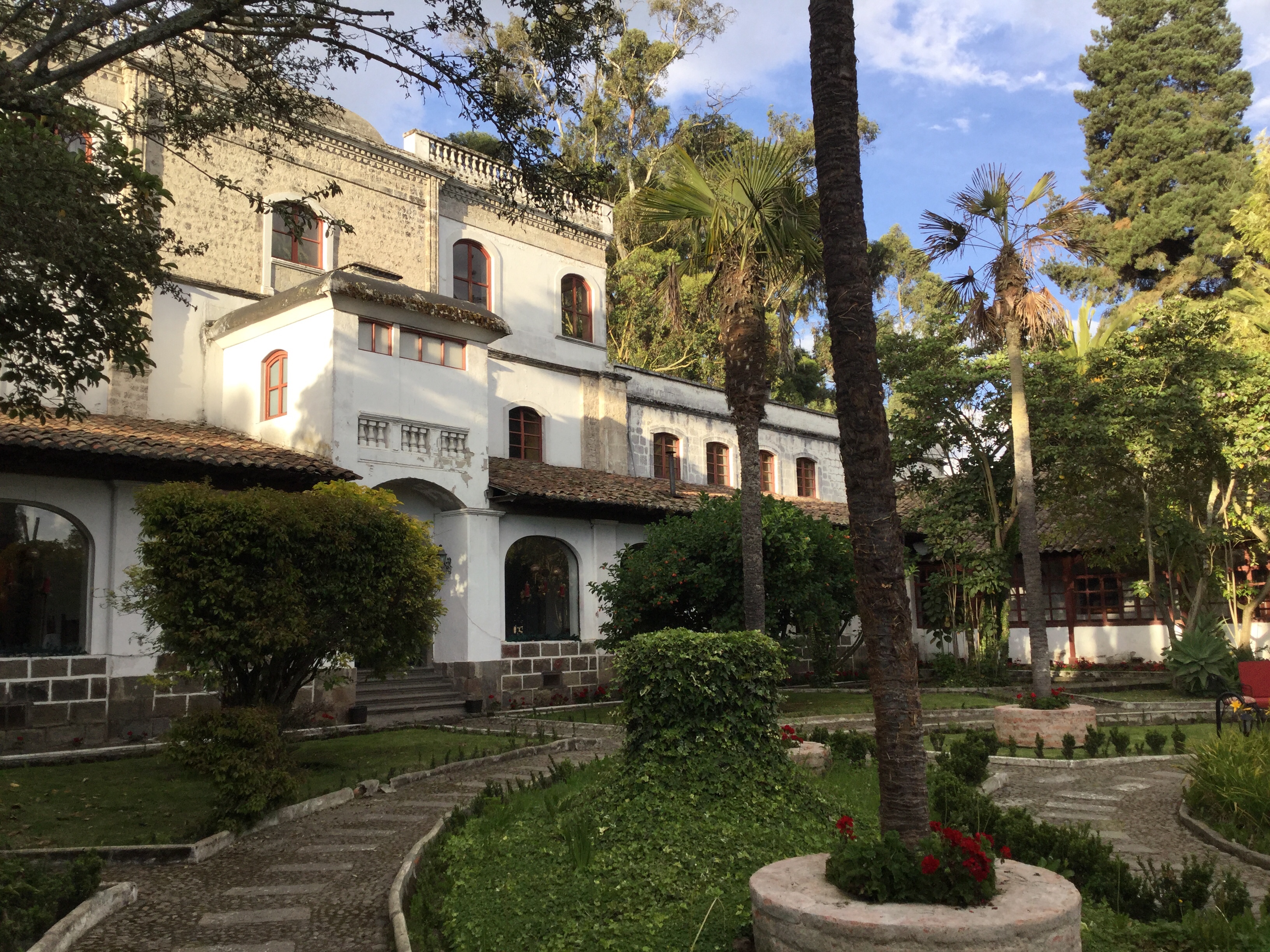
Actually we went to many haciendas while we were on the train and each were so special and unique. Old houses from wealthy land owners. I think Ecuador should just have a tour of these amazing places.
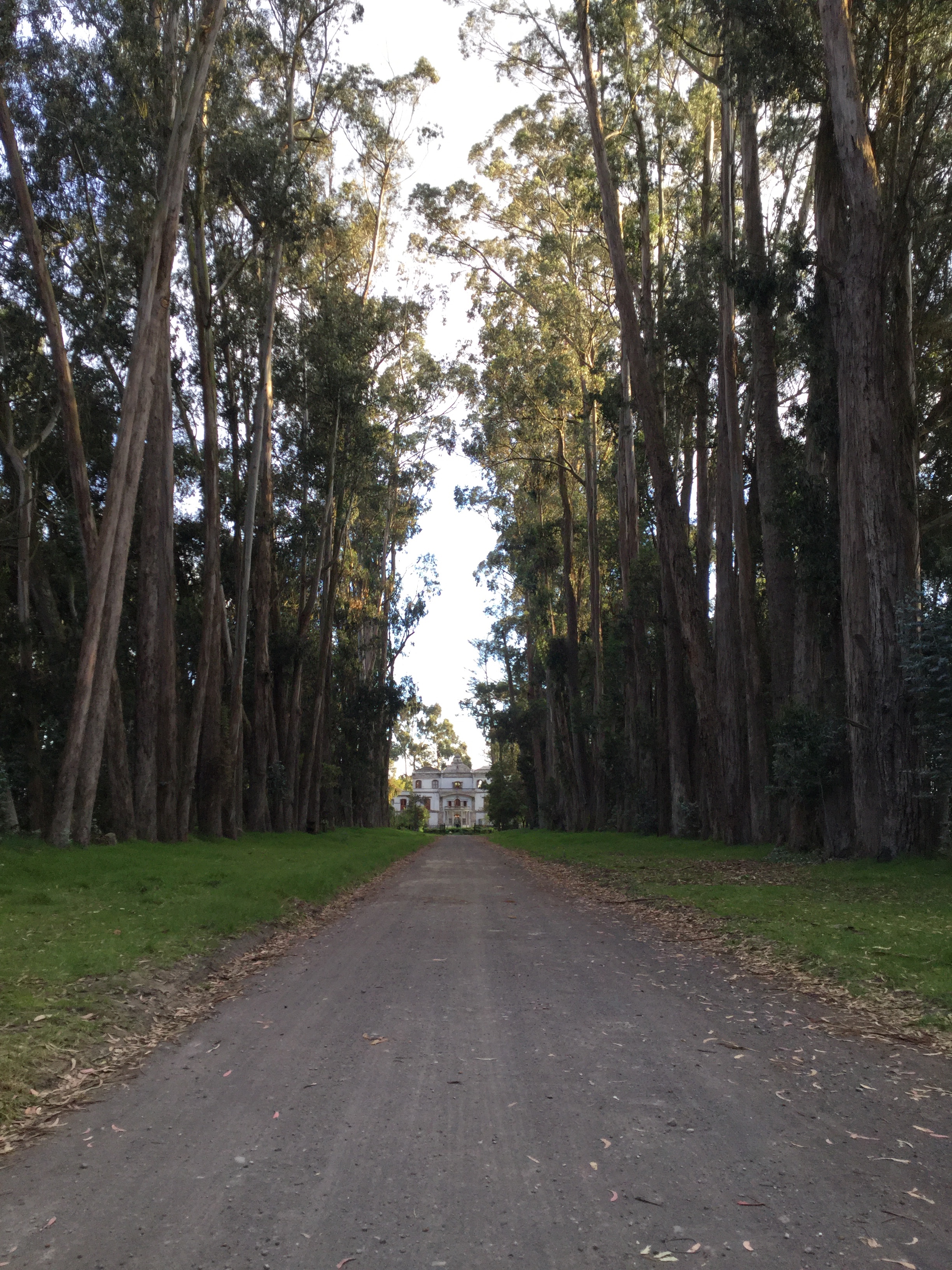
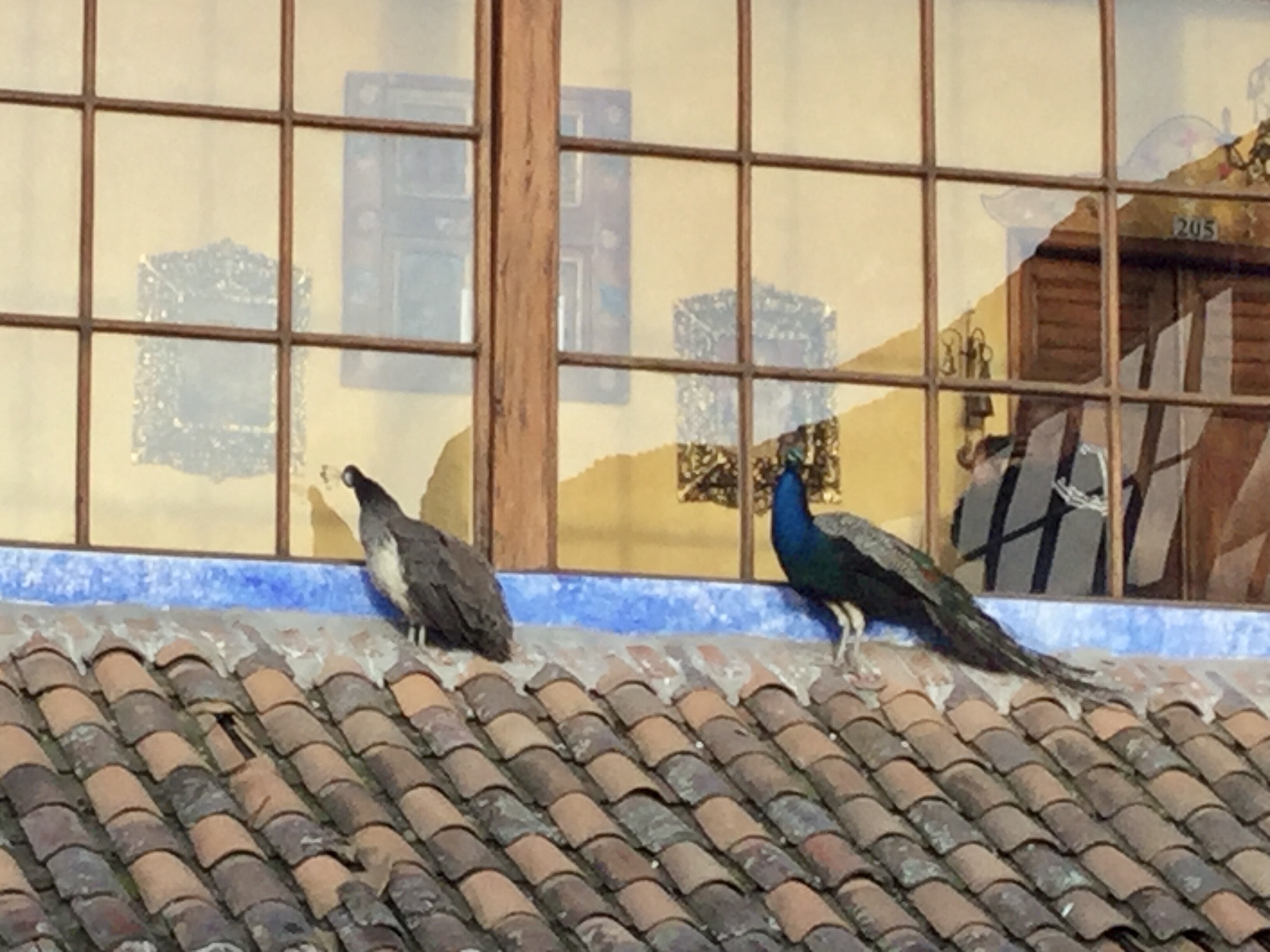
No rabbits or peacocks at this hacienda. 400 years old and came with it’s own church and wonderful llama friends, the lane way is framed with eucalyptus trees.
John said our room smelt like a barn. In Quechuan that would be – A ta tie – bad smell
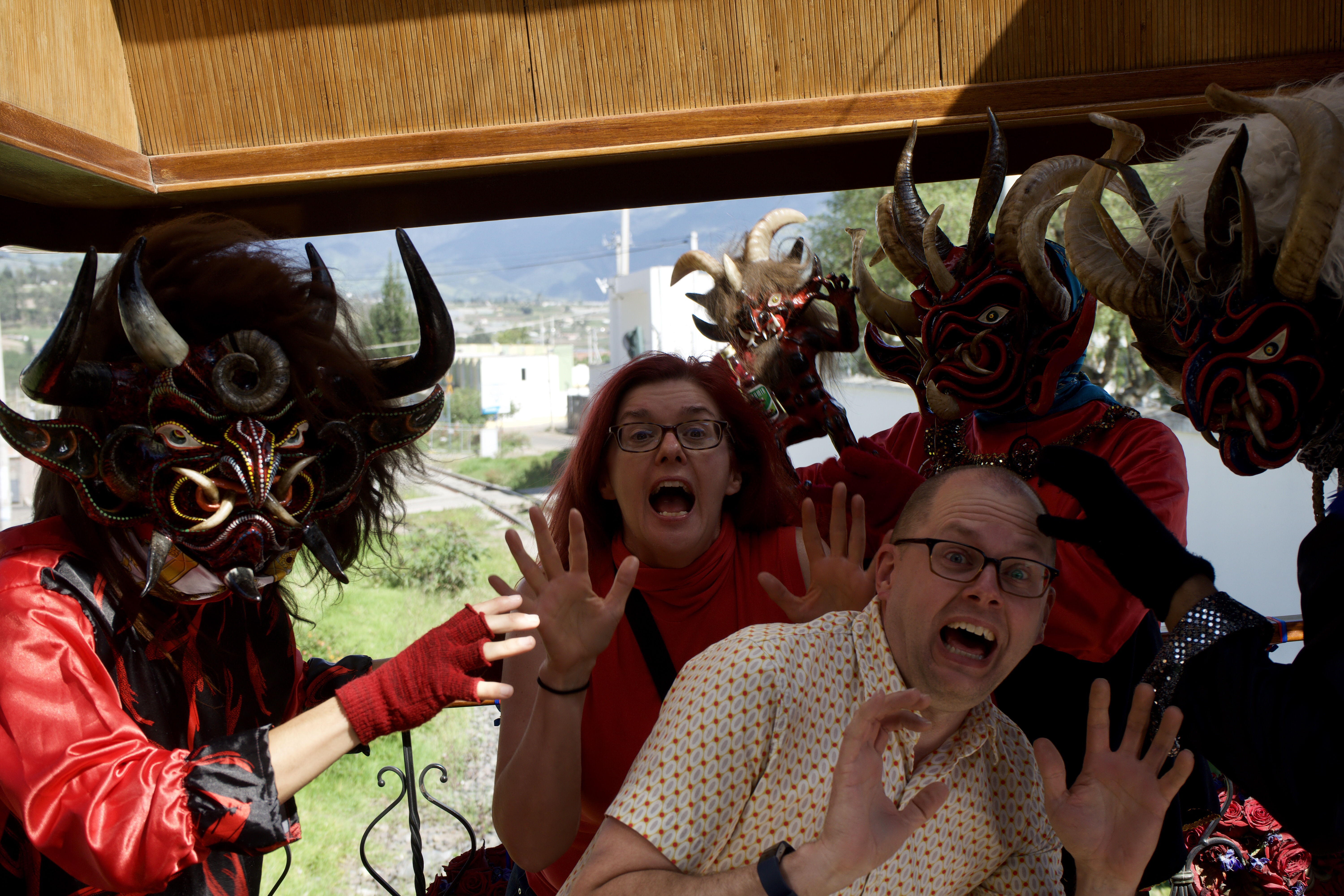
An indigenous festival called Diablada is celebrated January 1st to 6th in Pillaro in the Andean centre of Ecuador. Devils are dressed up in costume and parade and dance and celebrate.
The belief is if you become for a day the thing you fear the most and mock your fear, you will be better able to overcome your fear. This leads to better mental health, understanding and resistance.
Devils visited us on the train for dancing and celebration.
The Moya Community is a small group of farmers who have help from the government and travel companies to create an indigenous education centre.
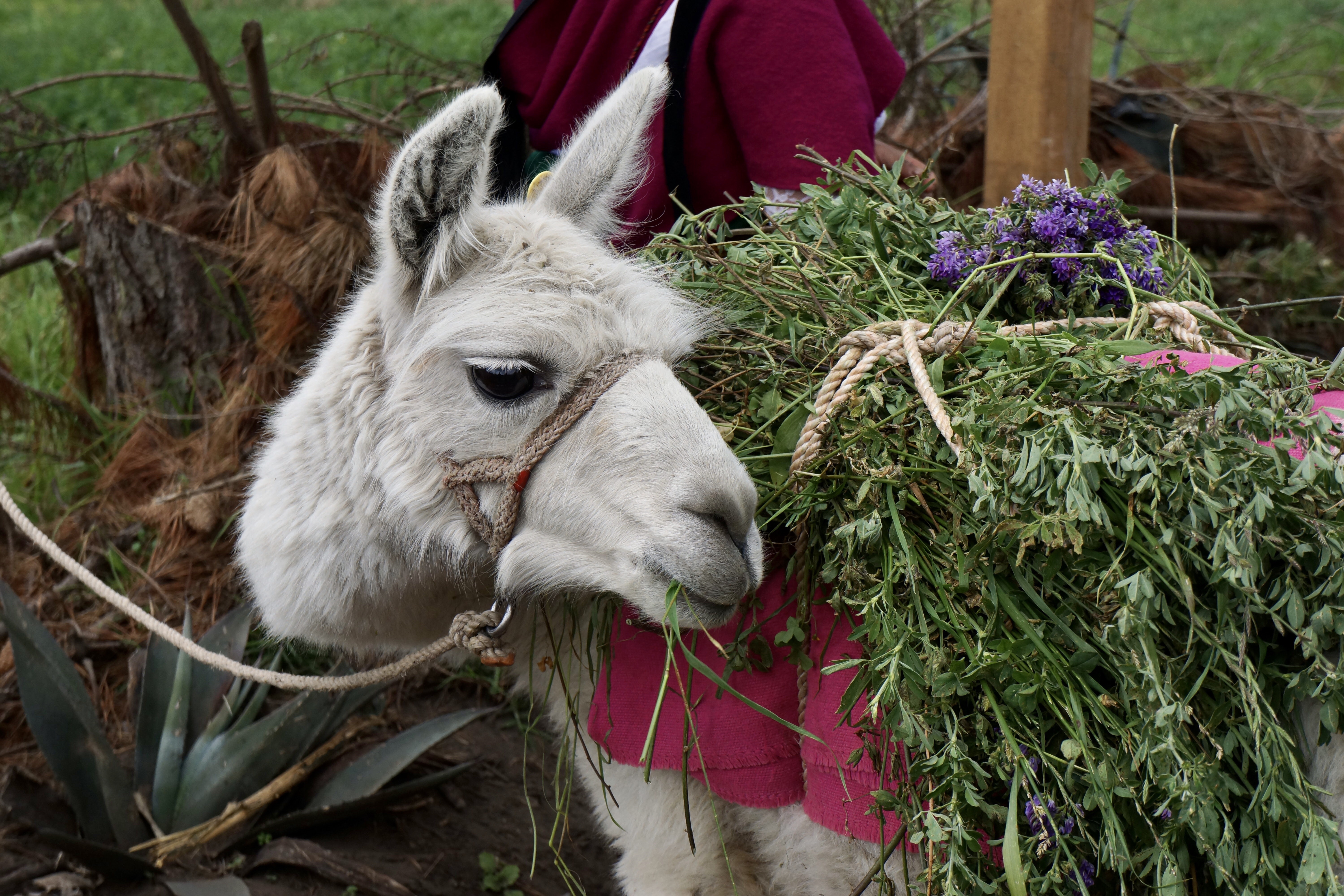
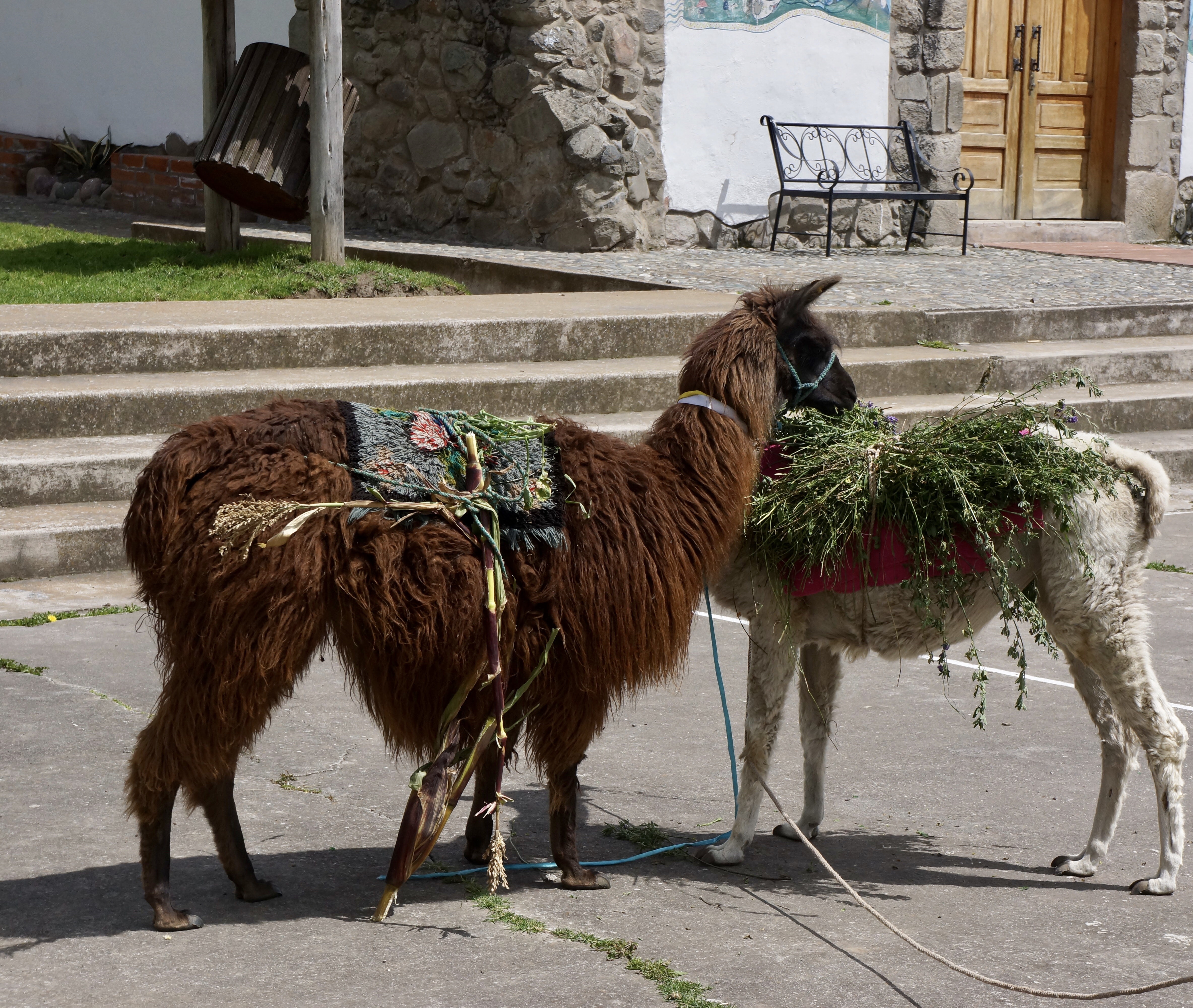
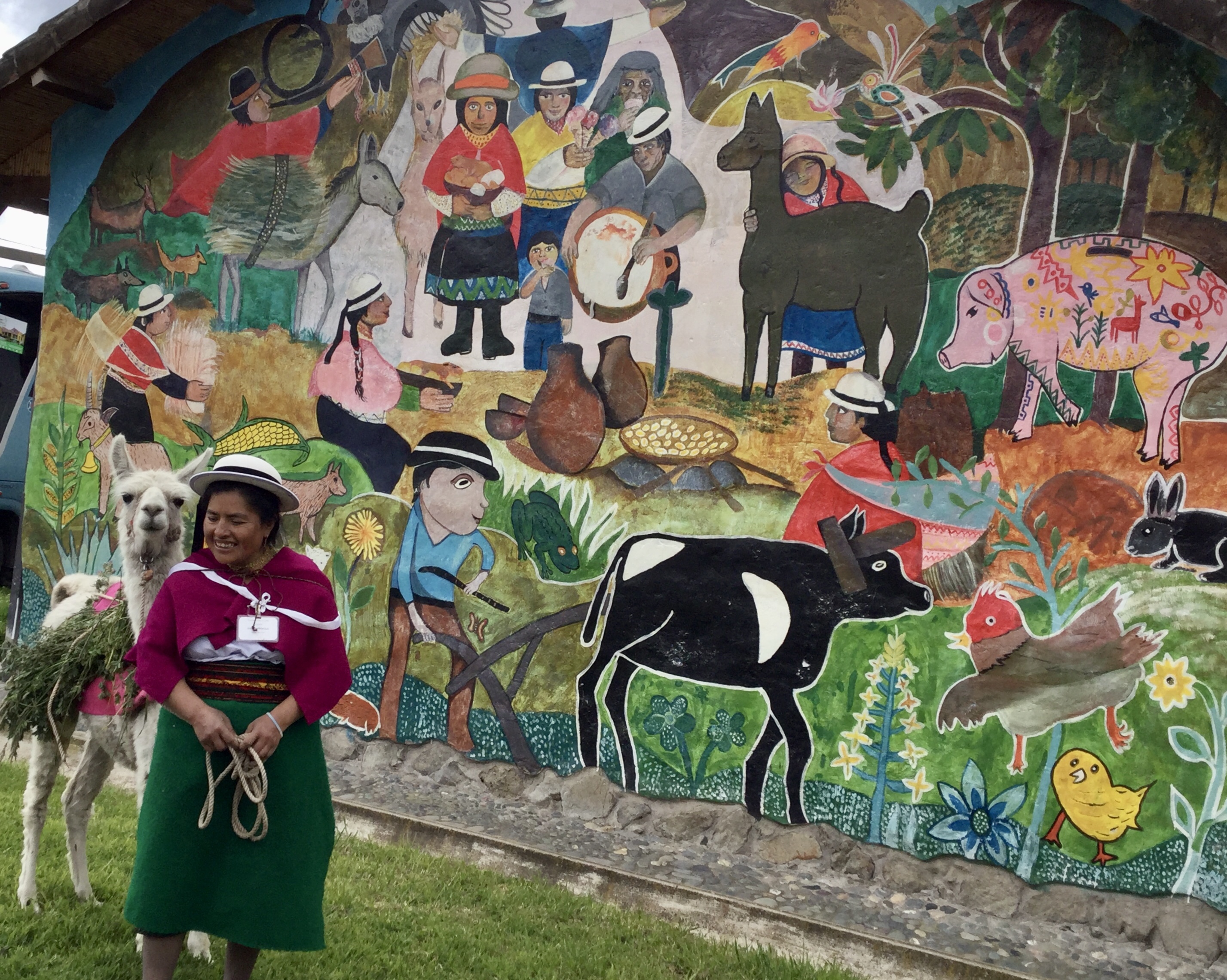
Here we met the llamas Loretta and Carmelita and their friends Julia and Lolita who took us around and told us about their community. Loretta and Carmelita carry their food on their backs for easy access to alfalfa and corn. Carmelita ate all her food and thought she would help Loretta finish up.
The Moya grow corn and quinoa, and have llamas, cows and sheep. Both women and men till and plant the fields. During our visit we saw them digging a ditch as a community.
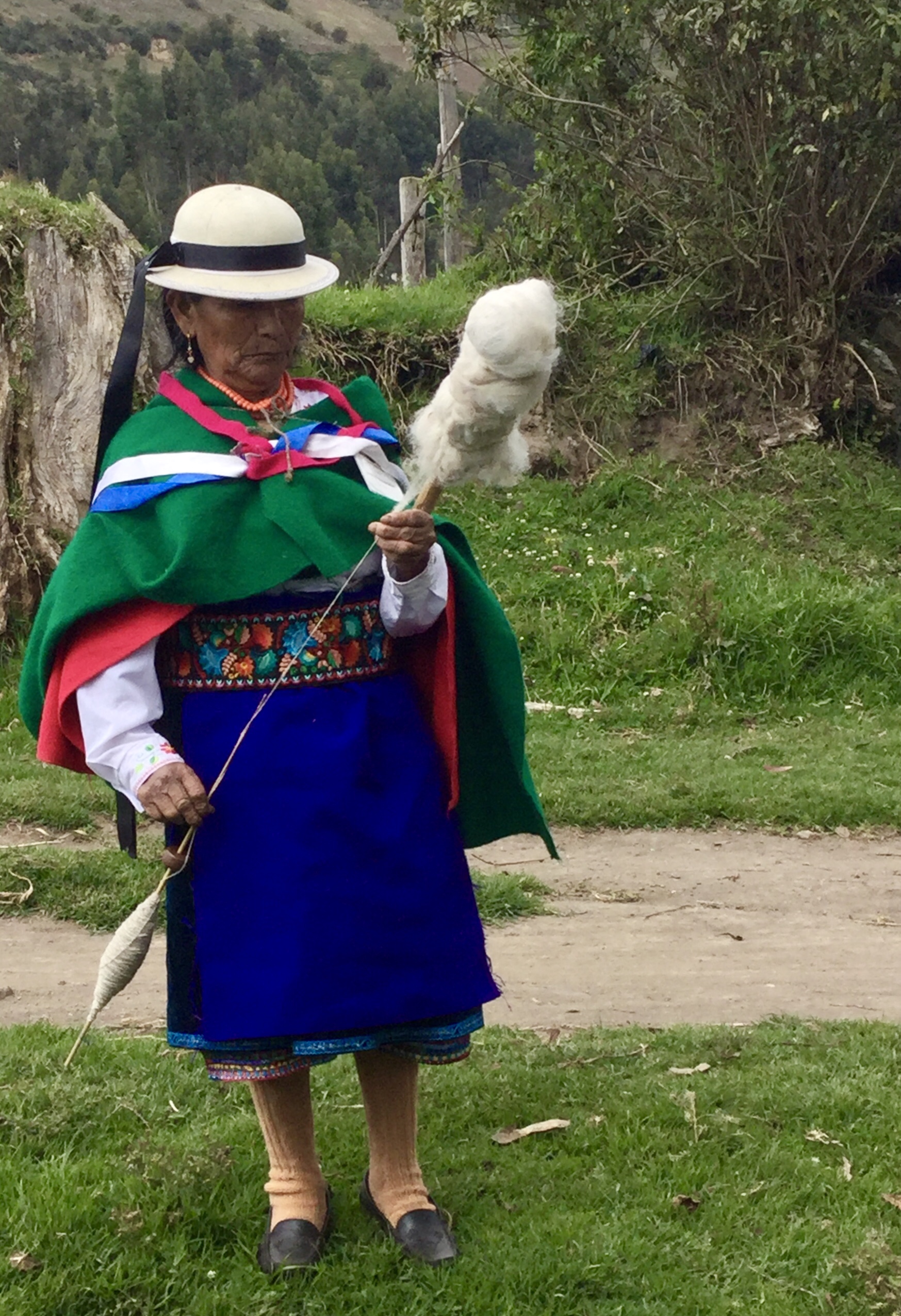
The women spin the wool to make their traditional clothing.
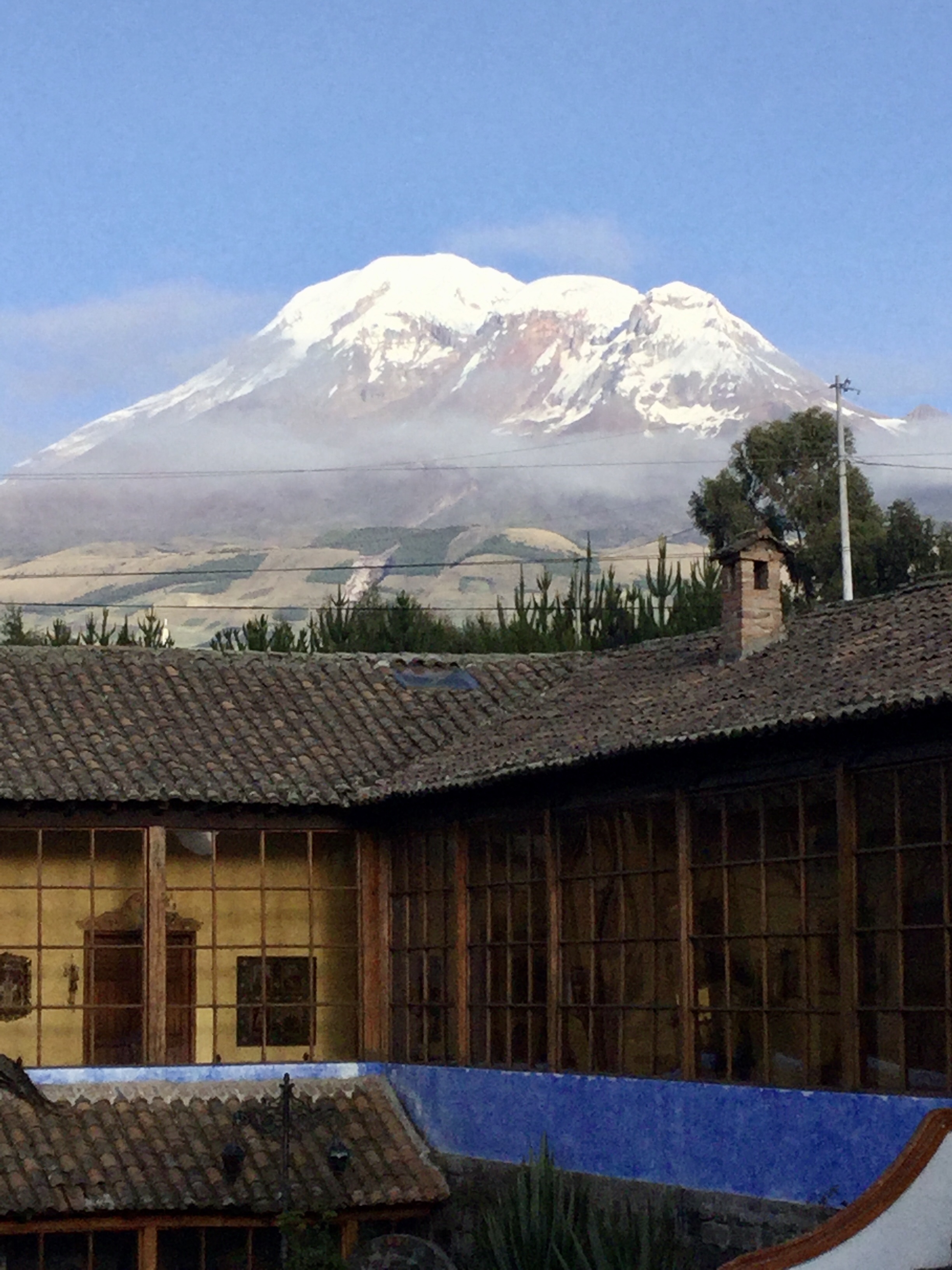
The white hat they wear pays respect to the Chimborazo Volcano with a black ribbon to acknowledge their Inca cultural heritage. The white hat is made of fibres from the algave plant.
LorettaCarmelita stealing Loretta’s lunchSpinning wool into yarnJohn was unsure if this was a musical instrument
The Moya Community is an indigenous group of 72 families who farm and accept visitors to see their community.
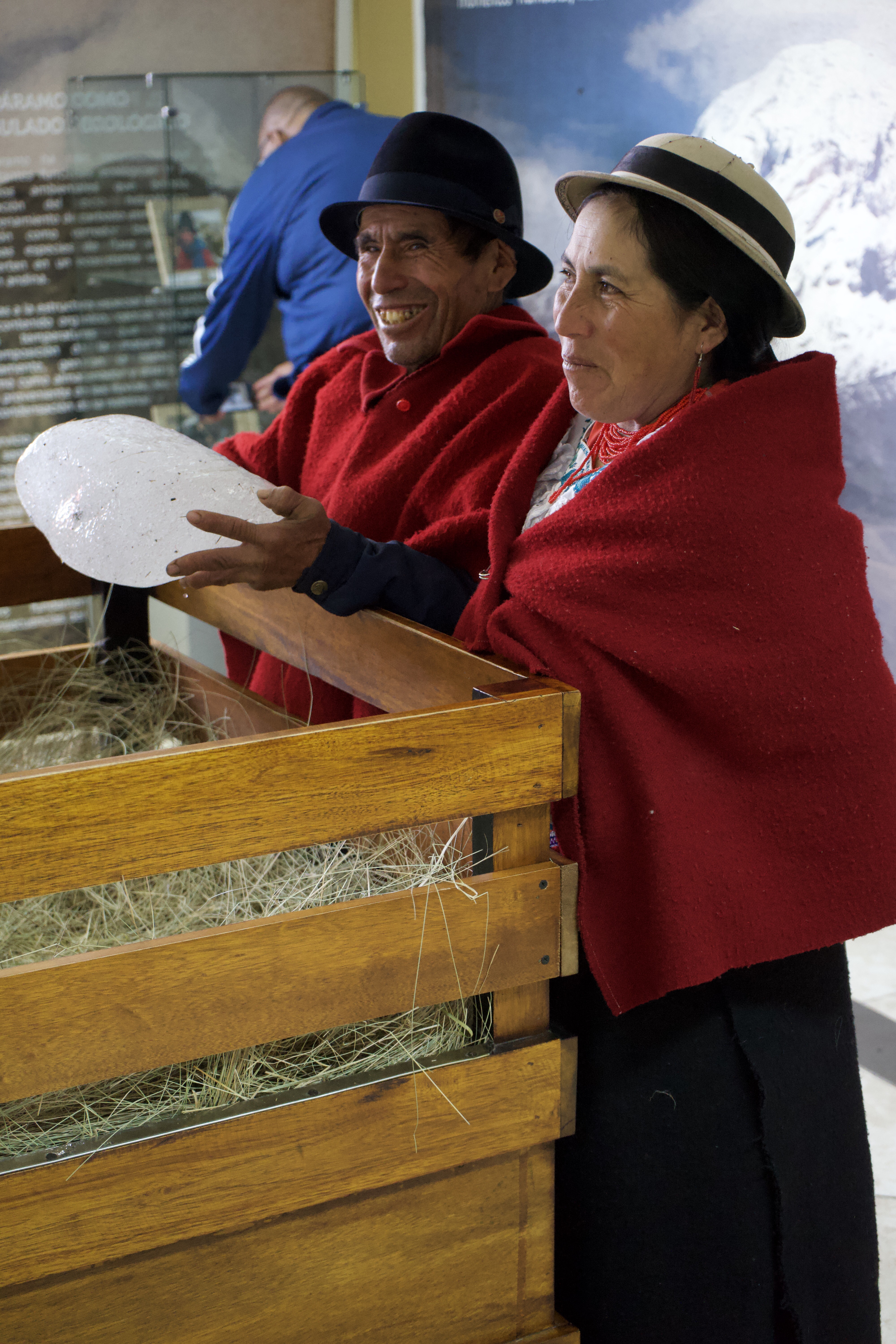
Originally the Moyaians were ice farmers and would climb the Chimborazo volcano to retrieve blocks of ice that they would sell in Riobamba. Balthazar Ushca is the last ice merchant left who makes the trek up the mountain with his donkey and tools to carve out a 60 pound block of ice twice a week. He acknowledges that this is for tradition only and that the 5 dollars he earns isn’t worth the effort. He loves it though.
He is last of his kind anywhere in he world and there is a small museum that celebrates his heroism. We met him and his daughter in person here and tried a piece of their ice block.
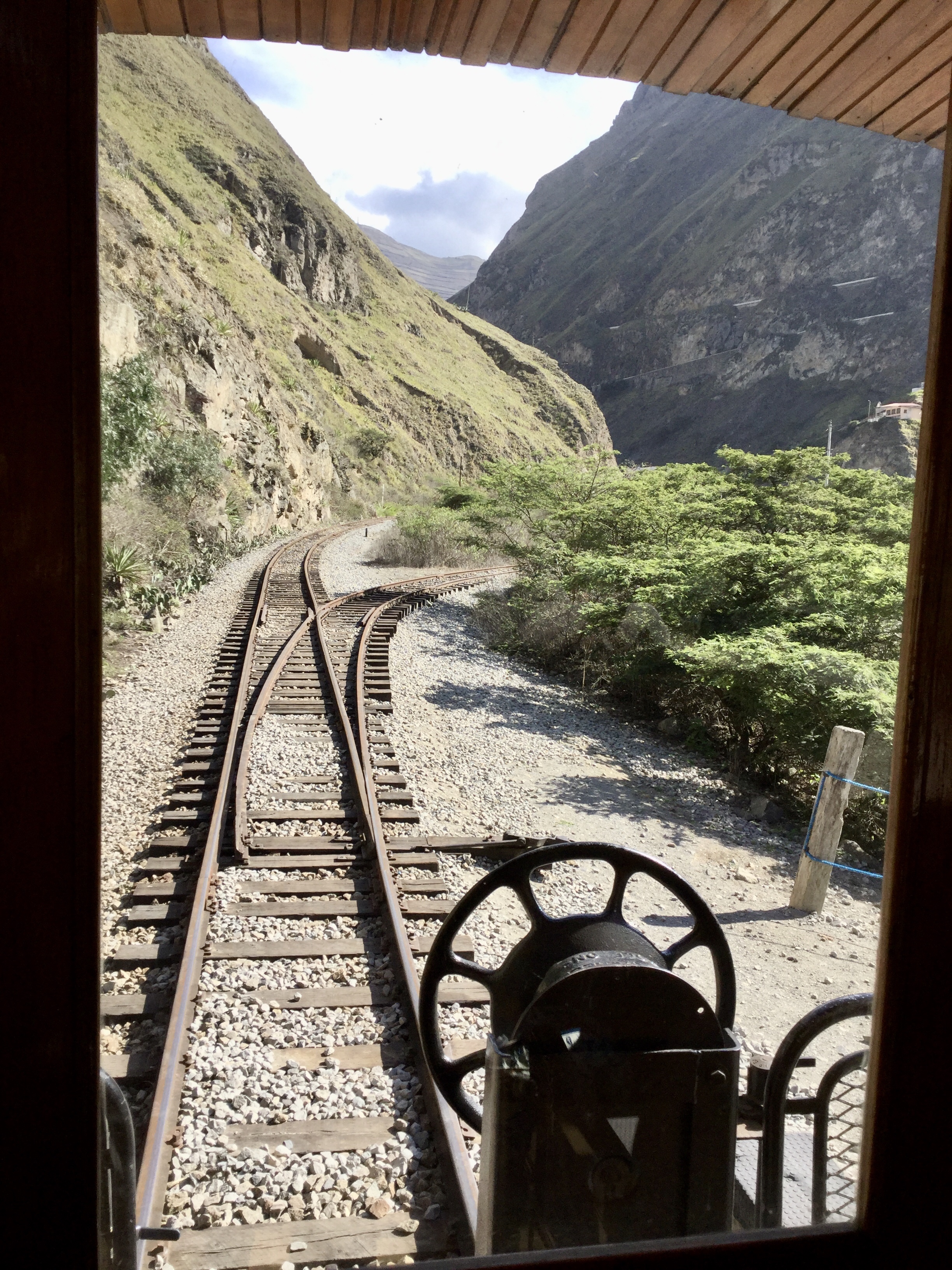
Devil’s Nose is also known as Condors Nest Mountain. It is a tricky track that wiggles and winds down and then back again utilizing a series of switch backs.This piece of the train track was built on the side of a mountain made up of mostly volcanic ash and stone.
The mountain construction utilized dynamite stuck in the crevasses to blow way the rock for the track, because it was unstable ash and stone, it was uncontrollable. 2000 men lost their lives in the building of this piece of track.
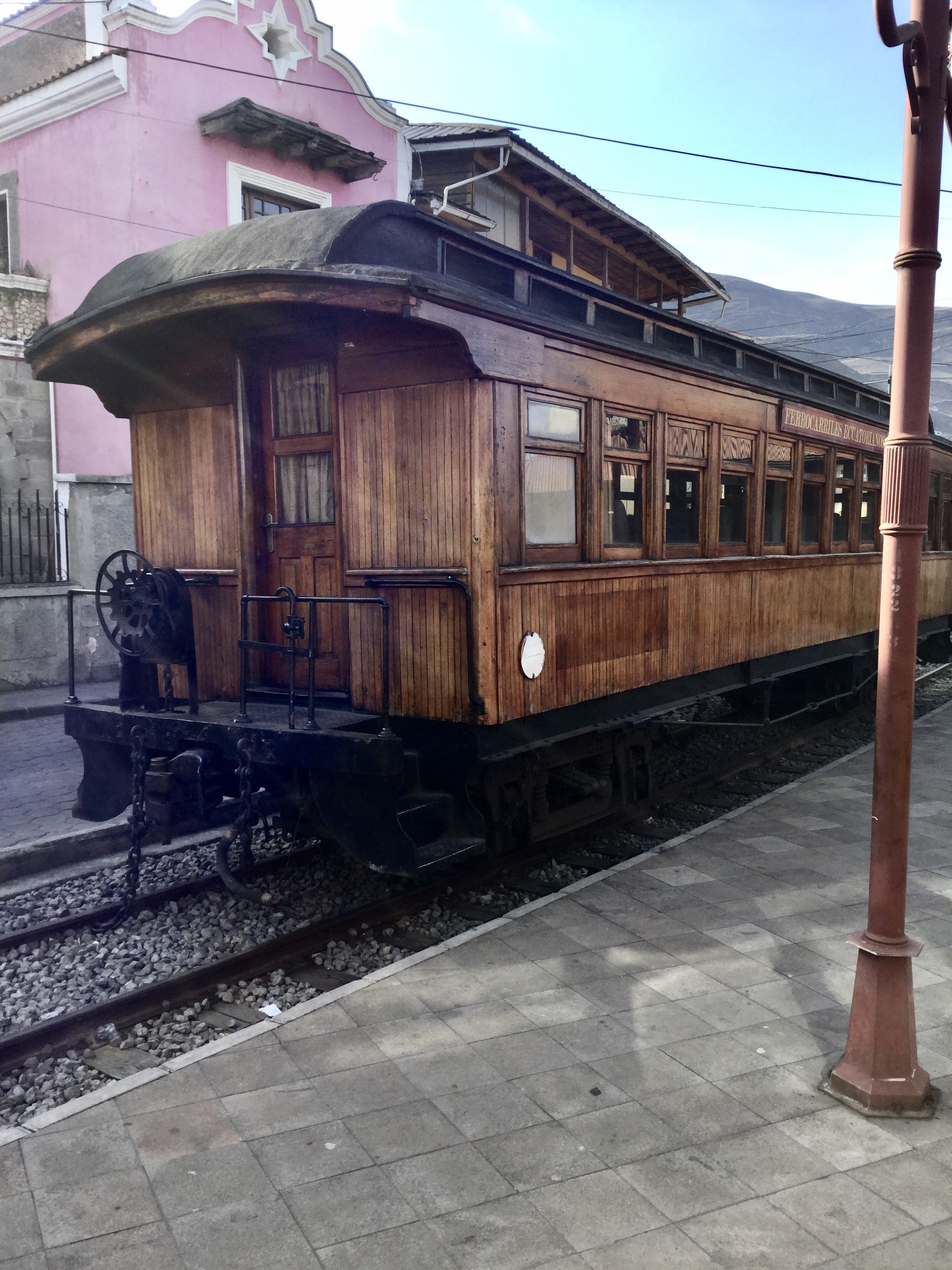
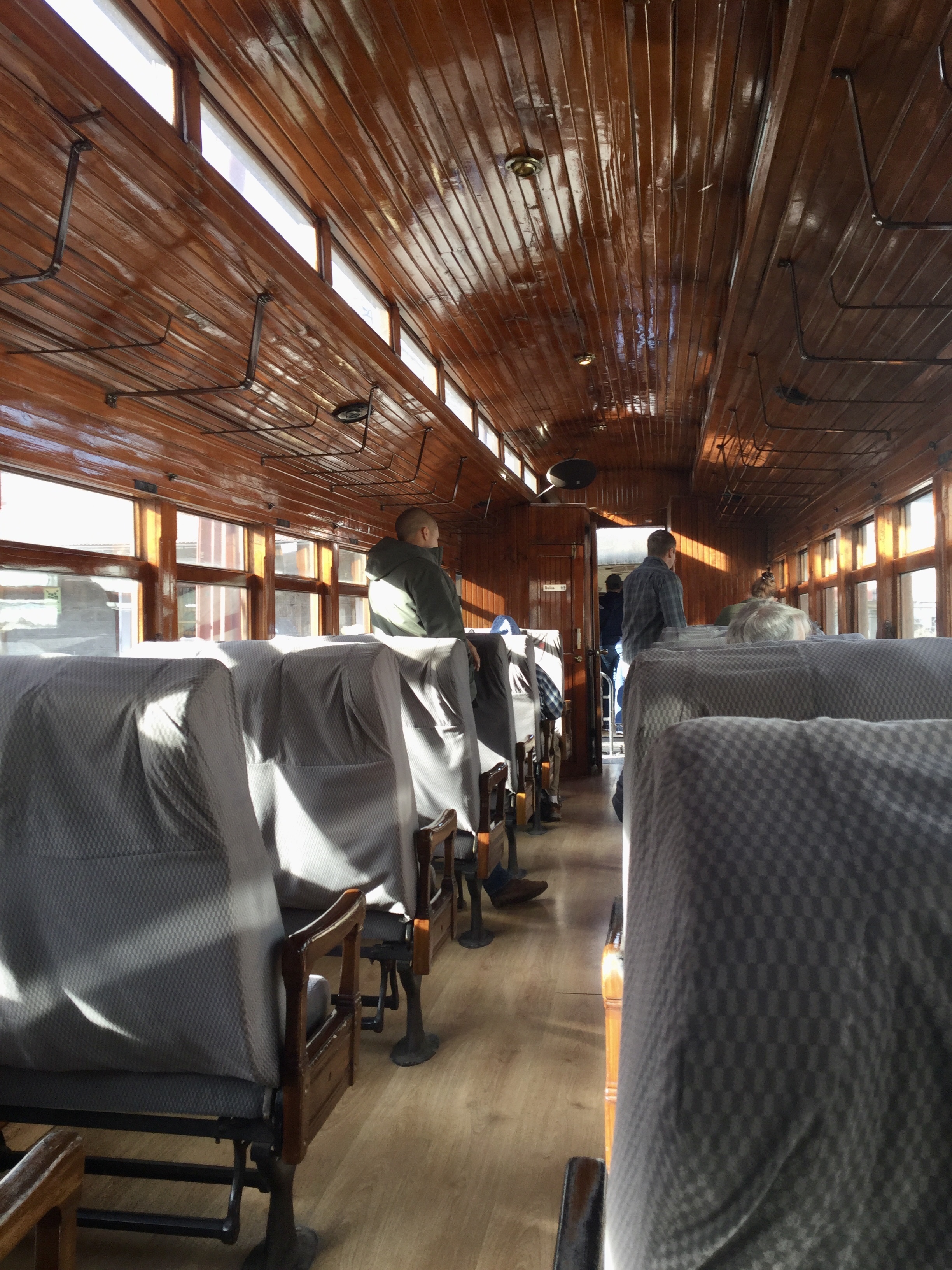
Amazing train, train ride and views from the train as it circled down and back up. We also received a dance party by local Nizag indigenous community .
Devil’s Nose Train InsideThe Ride and switch-backThe dance
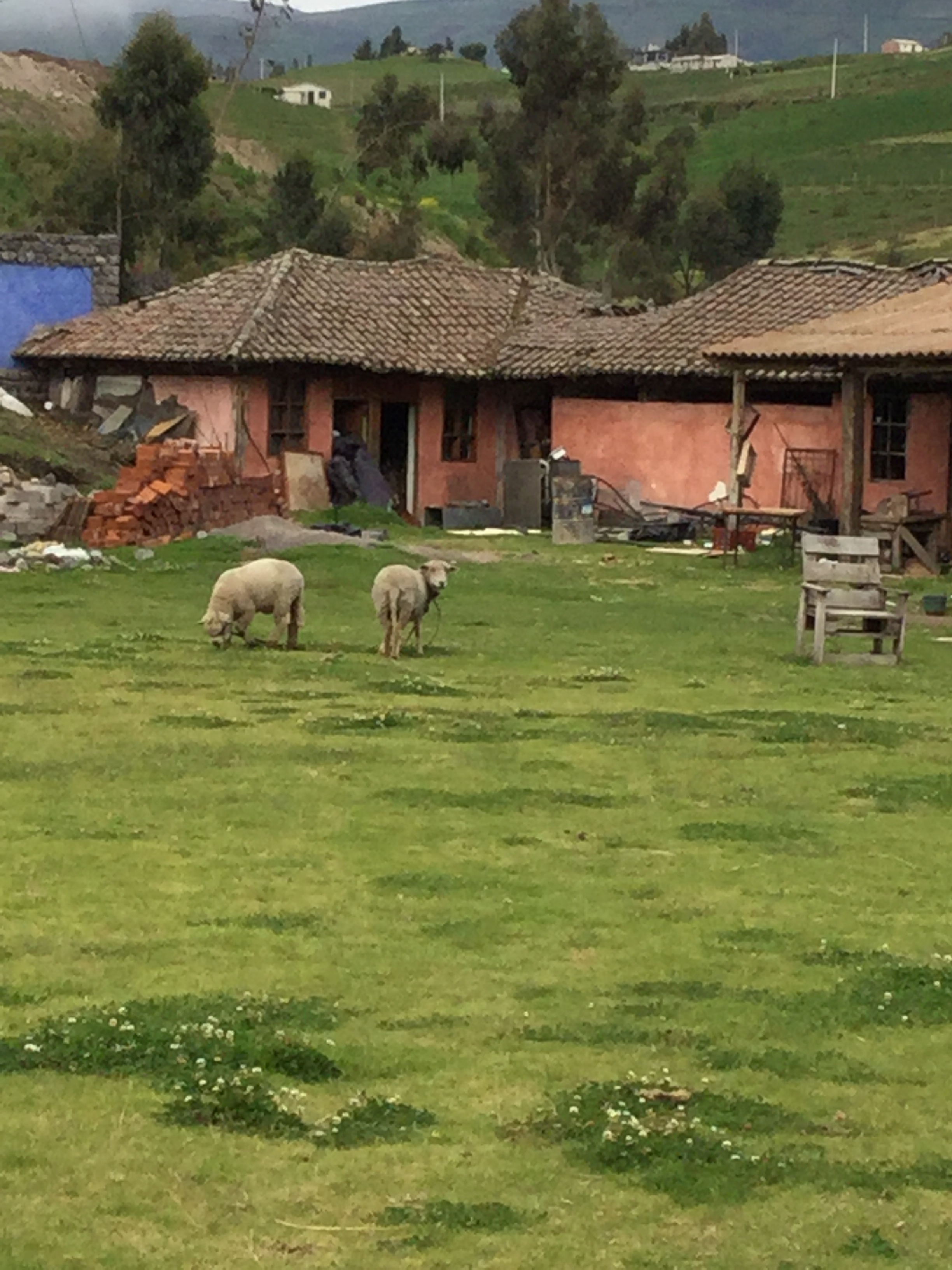
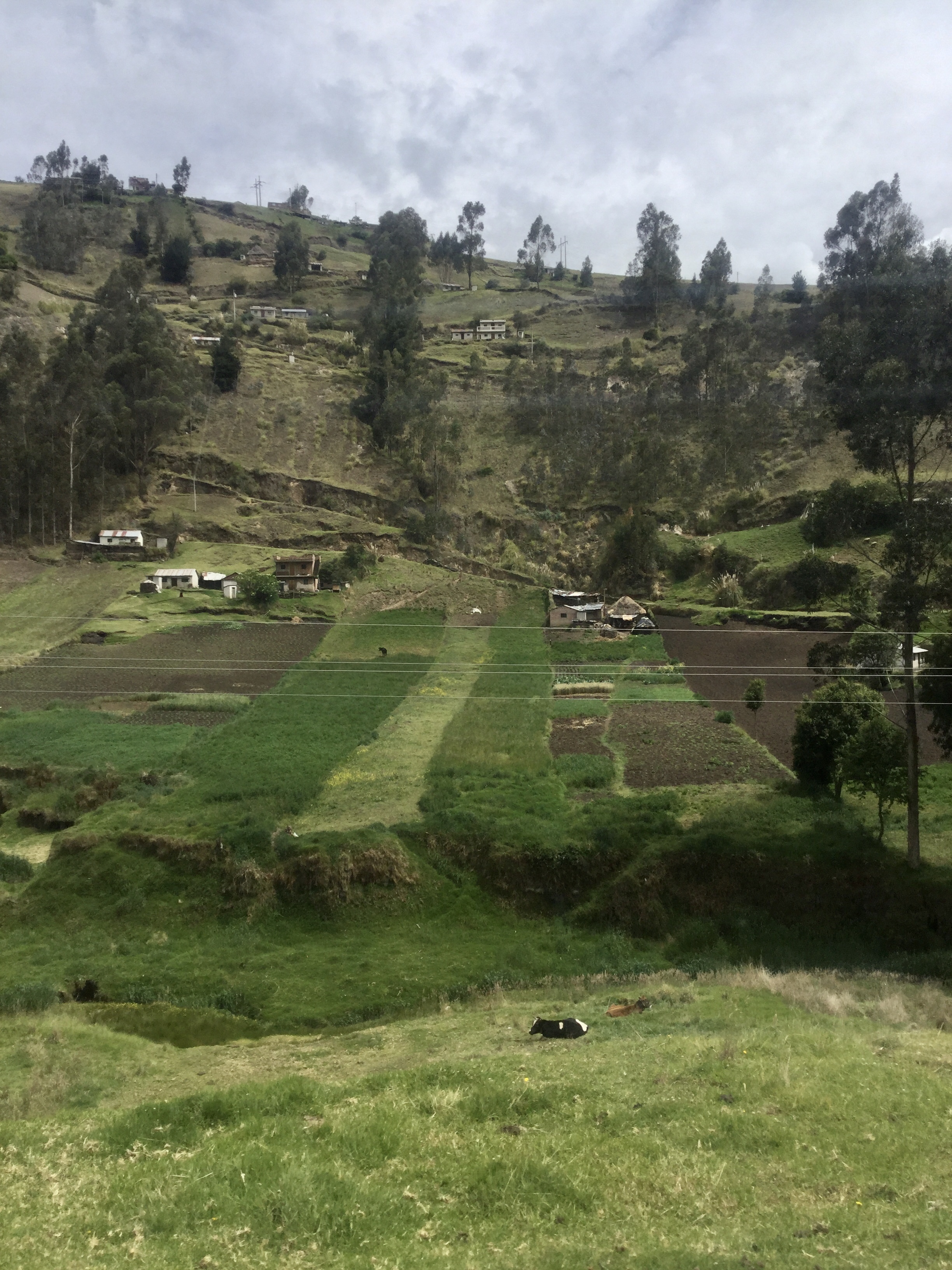
On our way by train to Riabomba we passed through many small farms. Small fields that grow cabbages, corn, quinoa, potatoes and more. Cows and sheep dot the fields as well as the odd chicken and goose. I so hope they don’t discover factory farming. I want them to be able to exist as family farms.
Don’t screw it up, I want to yell from the window!


 The world around me